
Bridging Ancient Wisdom and Modern Neuroscience: Acupoints, Ashi Points, and Myofascial Trigger Points
/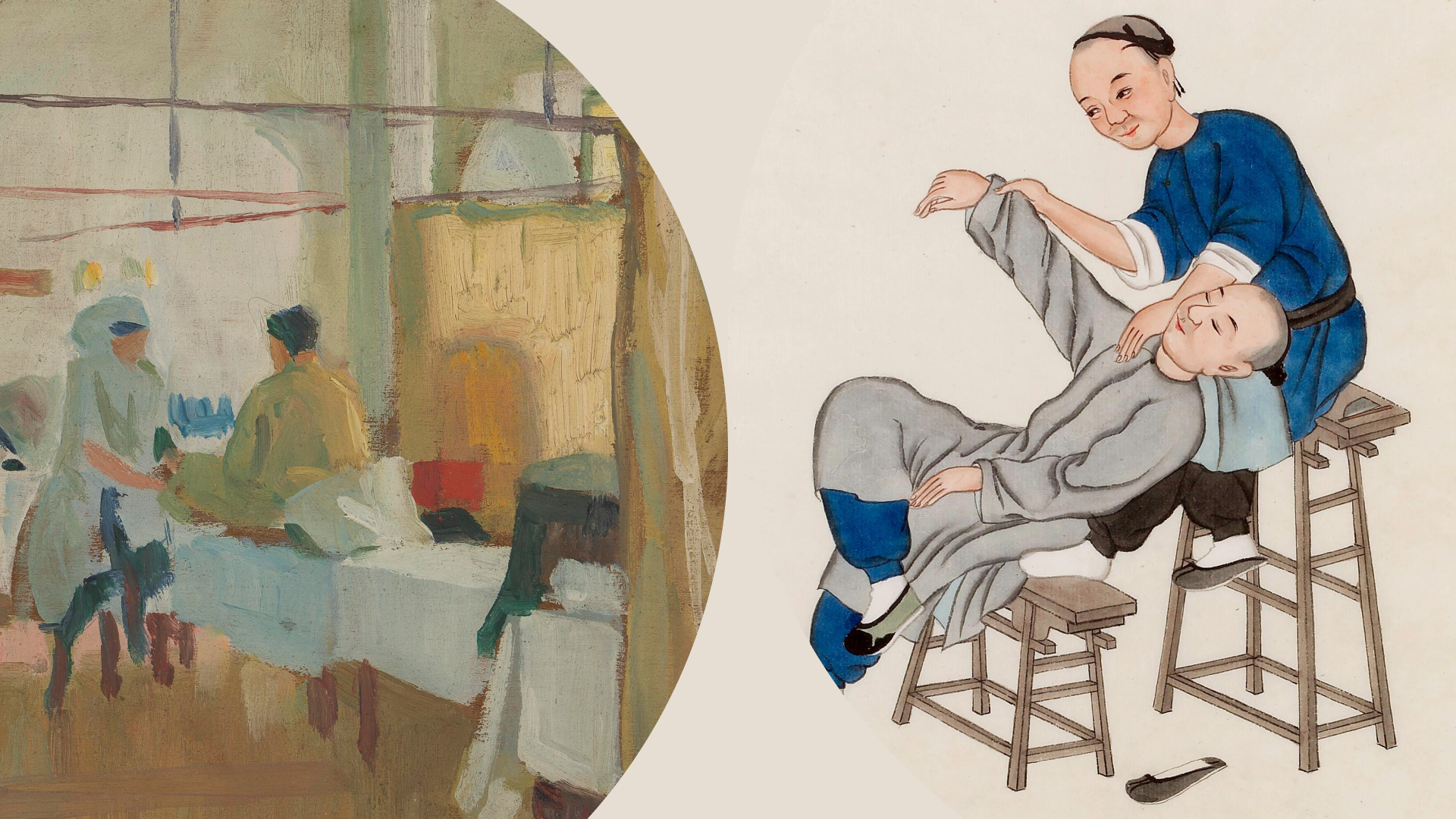
The concept of sore spots that can be leveraged for therapeutic purposes have been independently discovered and used as a treatment for musculoskeletal pain by different cultures in the middle east, Europe, Africa and Asia.

Otzi “The Iceman” believed to be 5,300 years old had 61 tattoos corresponding with acupuncture points and myofascial trigger points. Adapted from (Kean et al., 2013).
Bridging Ancient Wisdom and Modern Neuroscience: Acupoints, Ashi Points, and Myofascial Trigger Points
Across centuries and continents, diverse healing traditions independently discovered that applying targeted pressure to localized tender spots could effectively relieve musculoskeletal pain.
One of the earliest physical records of this phenomenon belongs to Ötzi "The Iceman," a 5,300-year-old human mummy naturally preserved in the Tyrolean Alps. Ötzi’s body features 61 distinct tattoos located over areas corresponding to modern myofascial trigger points and classical acupuncture points. Researchers believe these tattoos represent an early form of therapeutic treatment to alleviate chronic low back and knee pain (Kean et al., 2013).
The Historical Parallel: Acupoints, Ashi Points, and Myofascial Trigger Points
Unearthed in Chengdu, Sichuan, in 2012 and officially published in 2023 following a decade of restoration, the Tianhui Medical Bamboo Slips (Western Han dynasty, c. 202 BCE – 9 CE) represent one of the oldest surviving clinical records in Traditional Chinese Medicine. Linked to the lost school of Bian Que, these texts contain systematic records of meridians and acupoints that predate foundational classics like the Huang Di Nei Jing (The Yellow Emperor's Classic of Internal Medicine).
The Tianhui Medical Bamboo Slips introduce the concept of ying shu (应输), which describes immediate pain alleviation or a restorative sensation triggered by palpatory pressure on specific tender points. Ying shu served as a conceptual precursor to Ashi points (阿是穴)—literally translating to "Ah, yes!" points—which traditional practitioners targeted to manage localized and regional musculoskeletal conditions (Liu & Liu, 2026).
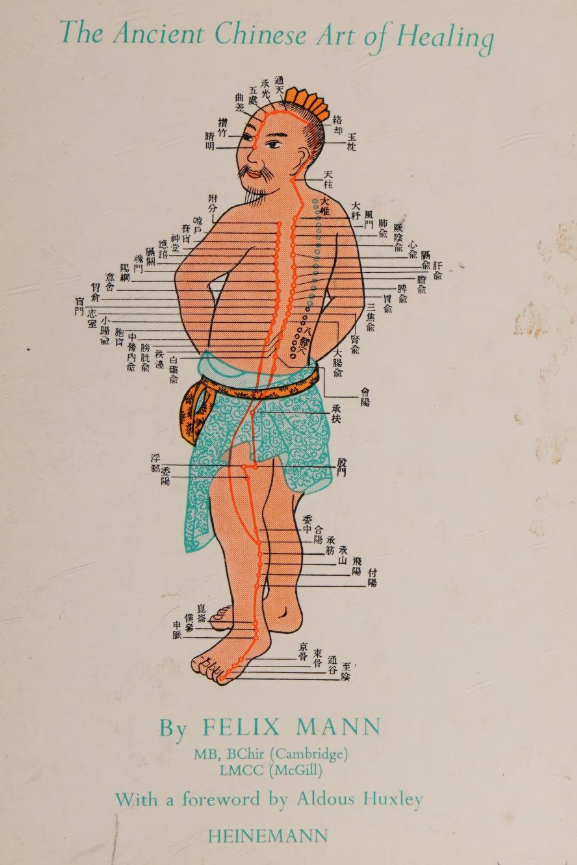
The concept of Western Medical Acupuncture was pioneered by Felix Mann who began to view acupuncture as a form of peripheral nerve stimulation. Today, this practice uses neurophysiology and complex systems theory to map acupoints to nervous system pathways and whole-body network regulation, bridging traditional concepts with modern medical science. Image From: Mann, F. (1962). Acupuncture: The Ancient Chinese Art of Healing. Heinemann.
Two thousand years later, Western physicians independently re-examined these same pressure points:
1930s: Jonas Henrik Kellgren began systematically investigating "referred pain from muscle."
Mid-20th Century: Janet Travell and David Simons built upon Kellgren’s work, mapping what we now define as myofascial trigger points. The result of their cumulative work was the textbook - Travell, Simons and Simons’ Myofascial Pain and Dysfunction (now in its 3rd edition).
These myofascial trigger points which are characterized by a taut band, a hypersensitive spot, and a predictable pattern of referred pain frequently mirror classical Ashi points and traditional acupoints in both anatomical location and clinical presentation (Lee et al., 2022). While nomenclature and underlying theoretical frameworks vary across cultures, the core clinical practice of identifying and treating focal tender spots remains a universal practice in pain management.
The term “myofascial trigger points” describes a phenomenon: sore, stiff, aching spots; Traditional Chinese Medicine have a similar phenomenon referred to as ashi points (阿是穴).
Whole Person Approach: Moving Beyond the Localized Pathology
Historically, explanations for myofascial trigger points revolved around localized mechanical tissue hypotheses, such as focal muscle spasms or localized ischemia. However, research suggests these traditional narratives are incomplete. Rather than viewing these spots as localized muscular "knots," trigger points and Ashi points may be better understood as secondary hyperalgesia (increased sensitivity) involving diverse peripheral and central mechanisms rather than a “knot” being the root cause of pain. Managing this and other musculoskeletal conditions requires a whole-person approach with considerations for biological, psychological, and social factors (Cholewicki et al., 2026; Lutke Schipholt et al., 2026).
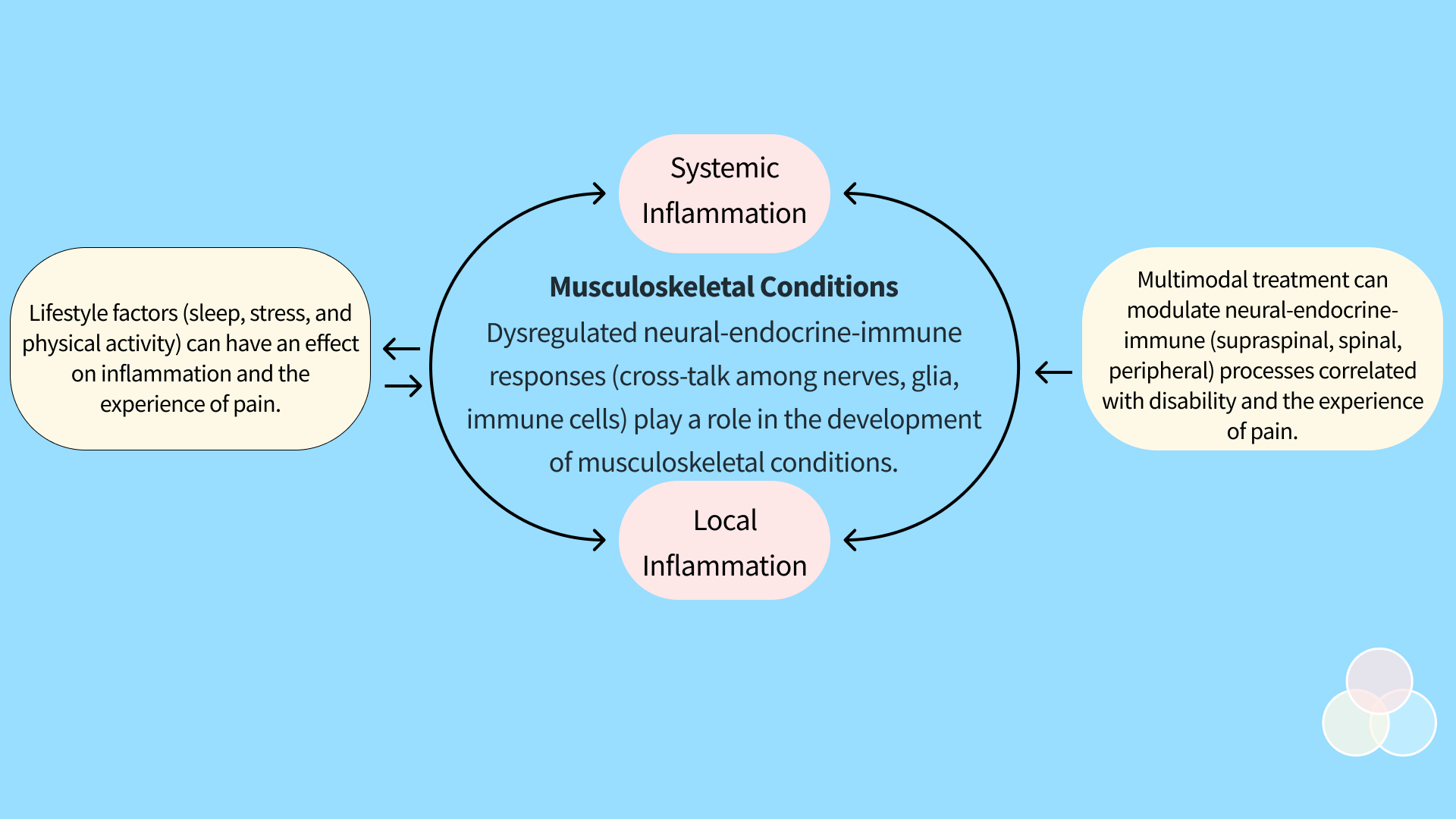
Reactive loci are hyperirritable spots that cause local pain, referred pain, and tenderness when pressed (e.g., Ashi points, myofascial trigger points, neurogenic inflammatory spots, etc.). Rather than viewing these spots as localized muscular "knots," trigger points and Ashi points may be better understood as secondary hyperalgesia (increased sensitivity) involving dynamic peripheral and central mechanisms rather than a “knot” being the root cause of pain. Managing this and other musculoskeletal conditions requires a whole-person approach with considerations for biological, psychological, and social factors that combine to shape our overall health and well-being.
Clinical Implications: Reframing How We Communicate
Hands-on therapy targeting these tender spots can benefit people suffering from musculoskeletal conditions such as temporomandibular disorders, tension-type headaches, and low back pain. However, the mechanisms driving this relief are far more complex than simple mechanical "release." Massage therapy, just like any other intervention cannot be explained by a single mechanism. Instead, it acts through a complex interplay of interconnected responses. This aligns with the concept of a "whole-person approach," which emphasizes the interconnectedness of biological, psychological, and social factors that contribute to our overall health and well-being.
Key Findings & Takeaways
Historical Continuity:
The therapeutic use of localized tender spots is an ancient phenomenon. The 5,300-year-old mummy Ötzi "The Iceman" displays tattoos aligned with classical acupuncture and trigger point locations. Furthermore, over 2000 years ago ancient TCM texts such as the Tianhui medical bamboo slips explicitly describe ying shu—the relief of pain upon palpating tender points—which are a precursor to the concept of Ashi points and myofascial trigger points.
Anatomical & Clinical Overlap:
Western mapping of myofascial trigger points by Kellgren, Travell, and Simons heavily mirrors the anatomical distribution and clinical behaviors (referred pain, local tenderness) of traditional Ashi points and acupoints.
Pathophysiological Shift:
The international consensus criteria for myofascial trigger points require a taut band, a hypersensitive spot, and referred pain. However, legacy hypotheses blaming isolated mechanical "knots" or sustained local tissue contraction are insufficient. Modern evidence indicates myofascial trigger points and Ashi points reflect neurogenic inflammation involving a dynamic interface between localized tissue distress, peripheral sensitization, and central nervous system processing.
Clinical & Communication Strategy:
While hands-on point therapy can effectively modulate musculoskeletal pain (e.g., temporomandibular disorders, tension headaches, low back pain), clinicians should avoid outdated mechanical narratives ("breaking up knots"). Instead, tender spots should be viewed as sensory convergence zones that can help people ‘reset’ how they experience pain and tension in the body.
References and Sources
With over 15 years of clinical experience and extensive study of massage therapy research, I'm committed to creating resources that foster the professional development of massage therapists globally. Whether you're a seasoned massage therapist or a curious newcomer, this massage therapy glossary is here to be your one-stop shop for understanding terms as it relates to massage therapy. Additionally this post highlights a substantial body of evidence supporting the use of massage therapy in alleviating pain and enhancing quality of life across a range of health issues.
This is a selection of sources I used to help formulate my ideas based on over-lapping concepts from massage therapy, physiotherapy, chiropractic, osteopathy, lifestyle medicine and traditional healing approaches.
Busse, J. W., Casassus, R., Carrasco-Labra, A., Durham, J., Mock, D., Zakrzewska, J. M., Palmer, C., Samer, C. F., Coen, M., Guevremont, B., Hoppe, T., Guyatt, G. H., Crandon, H. N., Yao, L., Sadeghirad, B., Vandvik, P. O., Siemieniuk, R. A. C., Lytvyn, L., Hunskaar, B. S., & Agoritsas, T. (2023). Management of chronic pain associated with temporomandibular disorders: a clinical practice guideline. BMJ (Clinical research ed.), 383, e076227. https://doi.org/10.1136/bmj-2023-076227
Cholewicki, J., Hodges, P. W., Popovich, J. M., Jr, Aminpour, P., Gray, S. A., Lee, A. S., Breen, A., Brumagne, S., van Dieën, J. H., Van Dillen, L. R., Dreisinger, T. E., Ferreira, M. L., George, S. Z., Goertz, C. M., Hartvigsen, J., Hides, J. A., Hoy, D., Kawchuk, G. N., Koes, B. W., Kothe, R., … Weiser, S. (2026). A meta-model of low back pain to examine collective expert knowledge of treatment effects and their mechanisms. European spine journal : official publication of the European Spine Society, the European Spinal Deformity Society, and the European Section of the Cervical Spine Research Society, 35(7), 3795–3808. https://doi.org/10.1007/s00586-026-09932-y
Cui, X., Liu, K., Gao, X., & Zhu, B. (2022). Advancing the Understanding of Acupoint Sensitization and Plasticity Through Cutaneous C-Nociceptors. Frontiers in neuroscience, 16, 822436. https://doi.org/10.3389/fnins.2022.822436
Cui, X., Zhang, Z., Xi, H., Liu, K., Zhu, B., & Gao, X. (2023). Sympathetic-Sensory Coupling as a Potential Mechanism for Acupoints Sensitization. Journal of pain research, 16, 2997–3004. https://doi.org/10.2147/JPR.S424841
Cook, C. E., Degenhardt, B., Aspinall, S., Nim, C., Malik, S., & Keter, D. (2025). Myofascial Pain Syndromes: Controversies and Suggestions for Improving Diagnosis and Treatment. The Journal of orthopaedic and sports physical therapy, 55(4), 1–4. https://doi.org/10.2519/jospt.2025.13072
Döding, R., Donath, L., Ehrenbrusthoff, K., Frangi, J., Schlaffke, L., Schmidt, H., Junker, F., Owen, P. J., Saueressig, T., Tagliaferri, S. D., Vickery, S., & Belavy, D. L. (2026). Relative differences of brain, sensory, psychological, motor, and tissue domains across musculoskeletal pain conditions: systematic review and multivariate meta-analyses. The journal of pain, 106395. Advance online publication. https://doi.org/10.1016/j.jpain.2026.106395
Dorfer, L., Moser, M., Bahr, F., Spindler, K., Egarter-Vigl, E., Giullén, S., Dohr, G., & Kenner, T. (1999). A medical report from the stone age?. Lancet (London, England), 354(9183), 1023–1025. https://doi.org/10.1016/S0140-6736(98)12242-0
Dorsher, P. T., Schmid, O., & Fleckenstein, J. (2025). The “most common” myofascial trigger points and classical acupuncture points. Part 1: Anatomic and pain indication correspondences. Deutsche Zeitschrift für Akupunktur, 68(2), 58-70.
Dorsher, P. T., Schmid, O., & Fleckenstein, J. (2025). The “most common” myofascial trigger points and classical acupuncture points. Part 2: Non-pain indications and myofascial referred pain–acupuncture meridian correspondences. Deutsche Zeitschrift für Akupunktur, 68(3), 131-143.
Fernández-de-Las-Peñas, C., & Dommerholt, J. (2018). International Consensus on Diagnostic Criteria and Clinical Considerations of Myofascial Trigger Points: A Delphi Study. Pain medicine (Malden, Mass.), 19(1), 142–150. https://doi.org/10.1093/pm/pnx207
Fernández-de-Las-Peñas, C., Nijs, J., Cagnie, B., Gerwin, R. D., Plaza-Manzano, G., Valera-Calero, J. A., & Arendt-Nielsen, L. (2023). Myofascial Pain Syndrome: A Nociceptive Condition Comorbid with Neuropathic or Nociplastic Pain. Life (Basel, Switzerland), 13(3), 694. https://doi.org/10.3390/life13030694
Fernández-de-Las-Peñas, C., Cook, C., Cleland, J. A., & Florencio, L. L. (2023). The cervical spine in tension type headache. Musculoskeletal science & practice, 66, 102780. https://doi.org/10.1016/j.msksp.2023.102780
Fitzcharles, M. A., Cohen, S. P., Clauw, D. J., Littlejohn, G., Usui, C., & Häuser, W. (2021). Nociplastic pain: towards an understanding of prevalent pain conditions. Lancet (London, England), 397(10289), 2098–2110. https://doi.org/10.1016/S0140-6736(21)00392-5
Fitzcharles, M. A., Cohen, S. P., Clauw, D. J., Littlejohn, G., Usui, C., & Häuser, W. (2022). Chronic primary musculoskeletal pain: a new concept of nonstructural regional pain. Pain reports, 7(5), e1024. https://doi.org/10.1097/PR9.0000000000001024
Gür A. (2026). The stress-fascia-pain axis in myofascial pain syndrome: a mechanistic integrative review and conceptual synthesis. Frontiers in pain research (Lausanne, Switzerland), 7, 1834354. https://doi.org/10.3389/fpain.2026.1834354
Harris, R. E., Moon, H., Lee, I. S., & Chae, Y. (2026). Defining non‑acupoints for sham control design in acupuncture trials. Integrative Medicine Research, 101345.
He, T., Zheng, Y., Yan, J., Xia, Y., Wang, B., Zhang, Z., Shang, Z., Li, K., Liu, B., Weng, N., & Chen, Y. (2025). Skin-Brain Axis: neural pathways in acupuncture treatment. Chinese medicine, 20(1), 163. https://doi.org/10.1186/s13020-025-01213-y
Jirsaraei, M. J., Hsu, Y. L., Akhwand, R., Aher, A., Lee, S., DeStefano, S., Srbely, J., Shah, J., Rosenberger, W., Acuña, S., Assefa, Y., Gerber, L. H., & Sikdar, S. (2026). Multimodal Phenotyping of Myofascial Pain Syndrome Using Rotational Shear Wave Elastography and Clinical Network Analysis. medRxiv : the preprint server for health sciences, 2026.07.23.26358787. https://doi.org/10.64898/2026.07.23.26358787
Kang, B., Yoon, D.-E., Ryu, Y., & Chae, Y. (2026). Acupoints as Neuromodulation Interfaces: Translating Classical Body Maps into Neural Circuit Science. Brain Sciences, 16(8), 835. https://doi.org/10.3390/brainsci16080835
Kean, W. F., Tocchio, S., Kean, M., & Rainsford, K. D. (2013). The musculoskeletal abnormalities of the Similaun Iceman ("ÖTZI"): clues to chronic pain and possible treatments. Inflammopharmacology, 21(1), 11–20. https://doi.org/10.1007/s10787-012-0153-5
Kearns, G. A., & Brown, J. (2026). Have we missed the point? Myofascial trigger points, dry needling and a case for a bidirectional reframe. The Journal of manual & manipulative therapy, 1–7. Advance online publication. https://doi.org/10.1080/10669817.2026.2665282
Kellgren, J. H. (1938). Referred Pains from Muscle. British medical journal, 1(4023), 325–327. doi:10.1136/bmj.1.4023.325
Langevin H. M. (2025). Acupoints in Acupuncture Research: Past, Present, and Future. Medical acupuncture, 37(3), 182–185. https://doi.org/10.1089/acu.2024.0138
Lai, Y., & Zheng, L. (2026). From "Deqi" to Sng: Can the sensations of acupuncture advance from terminological consensus to standardization?. Journal of the Formosan Medical Association = Taiwan yi zhi, S0929-6646(26)00651-0. Advance online publication. https://doi.org/10.1016/j.jfma.2026.06.013
Lee, S., Lee, I. S., & Chae, Y. (2022). Similarities between Ashi acupoints and myofascial trigger points: Exploring the relationship between body surface treatment points. Frontiers in neuroscience, 16, 947884. https://doi.org/10.3389/fnins.2022.947884
Lutke Schipholt, I. J., Coppieters, M. W., Scholten-Peeters, G. G. M., Hutchinson, M. R., & Klyne, D. M. (2026). Neuroimmune interactions in musculoskeletal conditions. An introduction for clinicians. Musculoskeletal science & practice, 81, 103469. https://doi.org/10.1016/j.msksp.2025.103469
Lutke Schipholt, I. J., van Onna, M. M., van Dieën, J. H., Pisters, M. F., Das, E. J., Quax, R., & Scholten-Peeters, G. G. M. (2026). Why neck pain persists: rethinking neck pain recovery through a complex systems approach. Musculoskeletal science & practice, 103621. Advance online publication. https://doi.org/10.1016/j.msksp.2026.103621
Melzack, R., Stillwell, D. M., & Fox, E. J. (1977). Trigger points and acupuncture points for pain: correlations and implications. Pain, 3(1), 3–23. doi:10.1016/0304-3959(77)90032-x
Nagel, M., Seaman, J. T., von Buchholtz, L. J., Ashby, N., Perry, S. K., Pierotti, C., ... & Chesler, A. T. (2026). Deep-tissue mechanosensation emerges from the interaction of external force and internal tissue state. bioRxiv, 2026-08.
Nijs, J., Arendt-Nielsen, L., Johansson, E., Davis, K. D., Giordano, R., Fauchon, C., & Polli, A. (2026). An integrated systemic approach to chronic primary pain from epigenome to brain: a narrative review. British journal of anaesthesia, 137(2), 563–578. https://doi.org/10.1016/j.bja.2026.04.063
Shah, J. P., Thaker, N., Heimur, J., Aredo, J. V., Sikdar, S., & Gerber, L. (2015). Myofascial Trigger Points Then and Now: A Historical and Scientific Perspective. PM & R : the journal of injury, function, and rehabilitation, 7(7), 746–761. https://doi.org/10.1016/j.pmrj.2015.01.024
Sikdar, S., Srbely, J., Shah, J., Assefa, Y., Stecco, A., DeStefano, S., Imamura, M., & Gerber, L. H. (2023). A model for personalized diagnostics for non-specific low back pain: the role of the myofascial unit. Frontiers in pain research (Lausanne, Switzerland), 4, 1237802. https://doi.org/10.3389/fpain.2023.1237802
Sikdar, S., DeStefano, S., Guzmán-Pavón, M. J., Hsu, Y. L., Lee, S., Srbely, J., Shah, J., Rosenberger, W., Acuña, S., Assefa, Y., Jahani Jirsaraei, M., Stecco, A., & Gerber, L. H. (2026). Multidimensional Analysis of the Clinical Spectrum and Symptom Burden of Unexplained Myofascial Pain. Archives of physical medicine and rehabilitation, S0003-9993(26)00743-4. Advance online publication. https://doi.org/10.1016/j.apmr.2026.05.014
Steen, J. P., Jaiswal, K. S., & Kumbhare, D. (2025). Myofascial Pain Syndrome: An Update on Clinical Characteristics, Etiopathogenesis, Diagnosis, and Treatment. Muscle & nerve, 71(5), 889–910. https://doi.org/10.1002/mus.28377
Strickland, M., Luera, M. J., Parra, M. E., & Riggs, C. (2026). The protective model of myofascial trigger points: a testable systems-level framework based on strain-repair mismatch. Frontiers in physiology, 17, 1818589. https://doi.org/10.3389/fphys.2026.1818589
Travell, J., & Rinzler, S. H. (1946). Relief of cardiac pain by local block on somatic trigger areas. Proceedings of the Society for Experimental Biology and Medicine. Society for Experimental Biology and Medicine (New York, N.Y.), 63(2), 480–482. https://doi.org/10.3181/00379727-63-15644
Travell, J. & Rinzler, S.H. (1952). The myofascial genesis of pain. Postgraduate medicine, 11(5), 425–434. doi:10.1080/00325481.1952.11694280
Treede, R. D. (2022). Chronic musculoskeletal pain: traps and pitfalls in classification and management of a major global disease burden. Pain reports, 7(5), e1023. https://doi.org/10.1097/PR9.0000000000001023
Tuckey, B., Srbely, J., Rigney, G., Vythilingam, M., & Shah, J. (2021). Impaired Lymphatic Drainage and Interstitial Inflammatory Stasis in Chronic Musculoskeletal and Idiopathic Pain Syndromes: Exploring a Novel Mechanism. Frontiers in pain research (Lausanne, Switzerland), 2, 691740. https://doi.org/10.3389/fpain.2021.691740
Valleix, François Louis Isidore (1841). Traité des névralgies, ou, Affections douloureuses des nerfs.
Weisman, A., & Masharawi, Y. (2026). Psychosocial Stress and Chronic Pain: A Threshold Model of Biological Lock-In. Neuroscience and biobehavioral reviews, 106780. Advance online publication. https://doi.org/10.1016/j.neubiorev.2026.106780
Wang, Y., & Hui, K. K. (2026). Moving beyond disease-centered care toward whole-person health. Integrative medicine research, 15(3Part B), 101361. https://doi.org/10.1016/j.imr.2026.101361
Wong, Y. M., Suzuki, S., & Odagiri, K. Photo Essay:“Acupoint-Anatomical Maps” Printed in Taiwan in 1917. Medical Acupuncture, 19336586261444639.
Yao, Y. L., Gu, X. X., Xie, X. B., Wang, Y., & Wang, Q. L. (2026). Research advances in neural and immune regulatory mechanisms underlying the distant therapeutic effects of acupoints. Journal of integrative medicine, 24(4), 493–510. https://doi.org/10.1016/j.joim.2026.01.009
Zebda, H., Gonzalez, Y., Crow, H., & Ohrbach, R. (2026). Myofascial pain with referral: Role of nociceptive drive and central pain mechanisms. The journal of pain, 39, 105629. https://doi.org/10.1016/j.jpain.2025.105629