The Adaptable Body: Moving Beyond the Structural Model of Musculoskeletal Pain
/The Adaptable Body: Moving Beyond the Structural Model of Musculoskeletal Pain

Image note: A Practitioner Massages a Patient's Shoulder created by artist Pei Qun Zhou around 1890. Massage has been used for thousands of years to promote relaxation, healing, and overall well-being. While specific practices vary globally, the utilization of touch for therapeutic purposes is a consistent thread across most human cultures.
A Brief History: From Ancient Times to Modern Healthcare
For thousands of years, manual therapy has been a cornerstone of healing. One of our oldest records is found in the Egyptian tomb of Akmanthor (2330 BCE), where paintings depict practitioners working on hands and feet. Even Homer’s Iliad and Odyssey describe massage with aromatic oils to relax the "tired limbs of warriors."
Across the globe, ancient civilizations—from China and Tibet to the Americas and Polynesia—developed traditions rooted in an ecological understanding of health. They viewed the body as an ecosystem in delicate balance with its surroundings.
China & India: Tui Na and Ayurvedic massage focused on balancing energy and vitality.
Tibet: Ku Nye treated the mind and body as a multi-scale ecosystem, mirroring modern theories of embodied cognition.
Indigenous Cultures: Viewed touch as a way to bring individuals back into physical and spiritual harmony with the environment.
Greco-Roman: Greco-Roman culture recognized the therapeutic benefits of massage, incorporating it heavily into their medical and athletic practices.
The 19th-Century Shift: The Medicalization of Touch

Image Note: Royal Naval Hospital, Haslar: massage room. Oil painting by Godfrey Jervis Gordon ("Jan Gordon"). The combination of industrial-era health needs and the Physical Culture movement led to a resurgence of massage in Europe, laying the foundation for its modern practice.
The Industrial Revolution marked a turning point. As sedentary lifestyles and repetitive strain injuries emerged, the Physical Culture Movement championed fitness and manual therapy.
In 1813, Per Henrik Ling founded the Royal Central Institute of Gymnastics, developing massage techniques rooted in anatomy. His system was expanded by Johan Georg Mezger, who formalized "Swedish" massage, and Henrik Kellgren, who influenced the emerging fields of physiotherapy, chiropractic, and osteopathy (MacDonald et al., 2024; Ottosson, 2025).
However, as these professions grew, they were shaped by the prevailing biomedical model. This reductionist paradigm treated the body like a machine with isolated "broken" parts. We shifted our focus almost exclusively to isolated tissues—bones, joints, fascia, and nerves—often overlooking the interconnectedness of the human experience (Kerry et al., 2024; Low et al., 2025).
The 21st-Century Update: A Whole-Person Approach
While the biomedical model has driven massive advancements, it often fails in the face of chronic non-communicable conditions. We are now entering a new era that combines the ecological wisdom of ancient healing practices with the scientific rigor of Complexity Science.
A Modern Framework for Massage Therapy
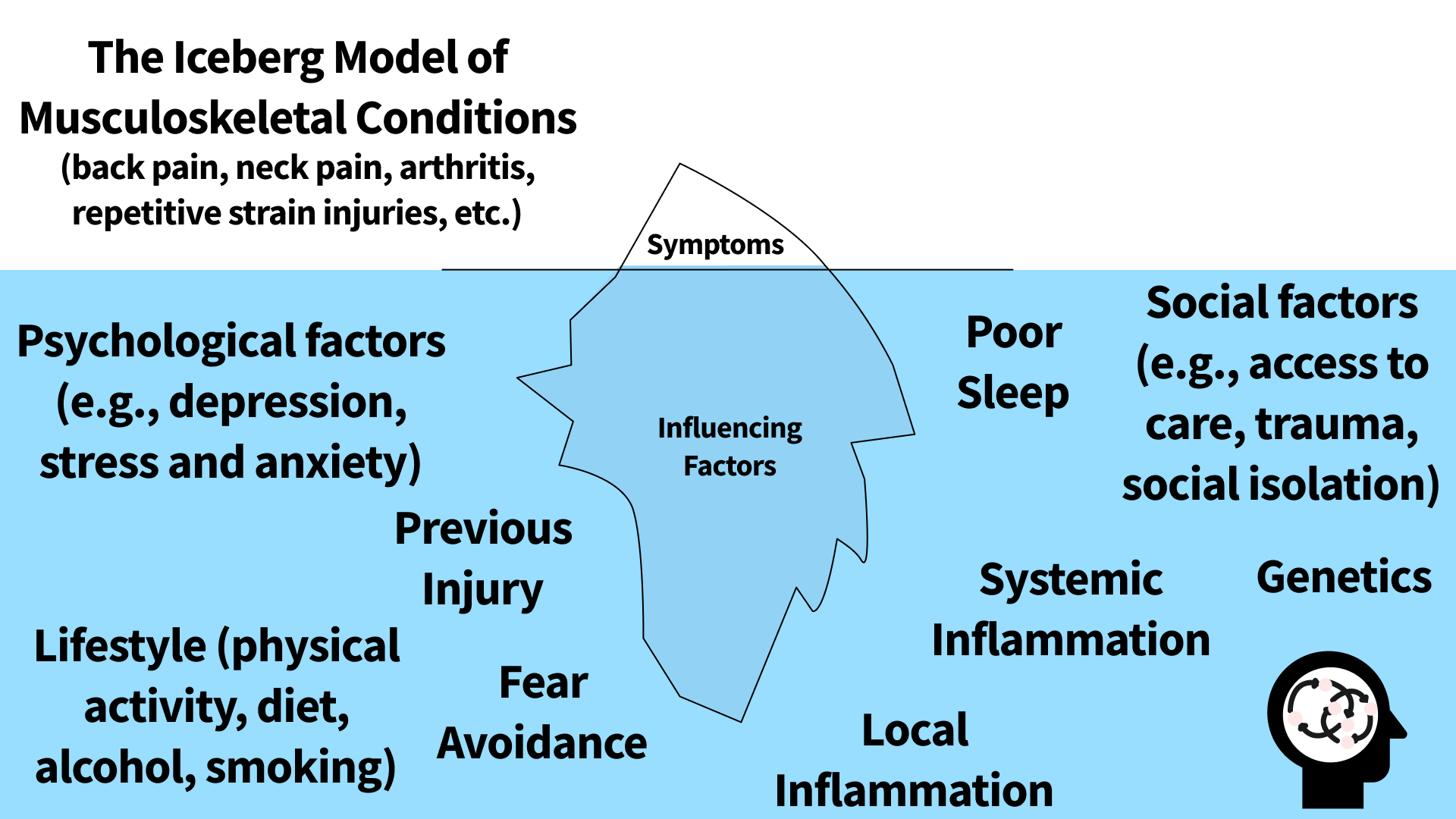
To evolve, we must move from a tissue-focused approach to a Whole-Person Health framework (Kligler et al., 2026). This isn’t just a "feel-good" philosophy; it is grounded in the science of complex systems. Here are three practical examples of how complexity science can help guide the treatment of musculoskeletal conditions.
1. Complexity Science and the "Zoom Out"
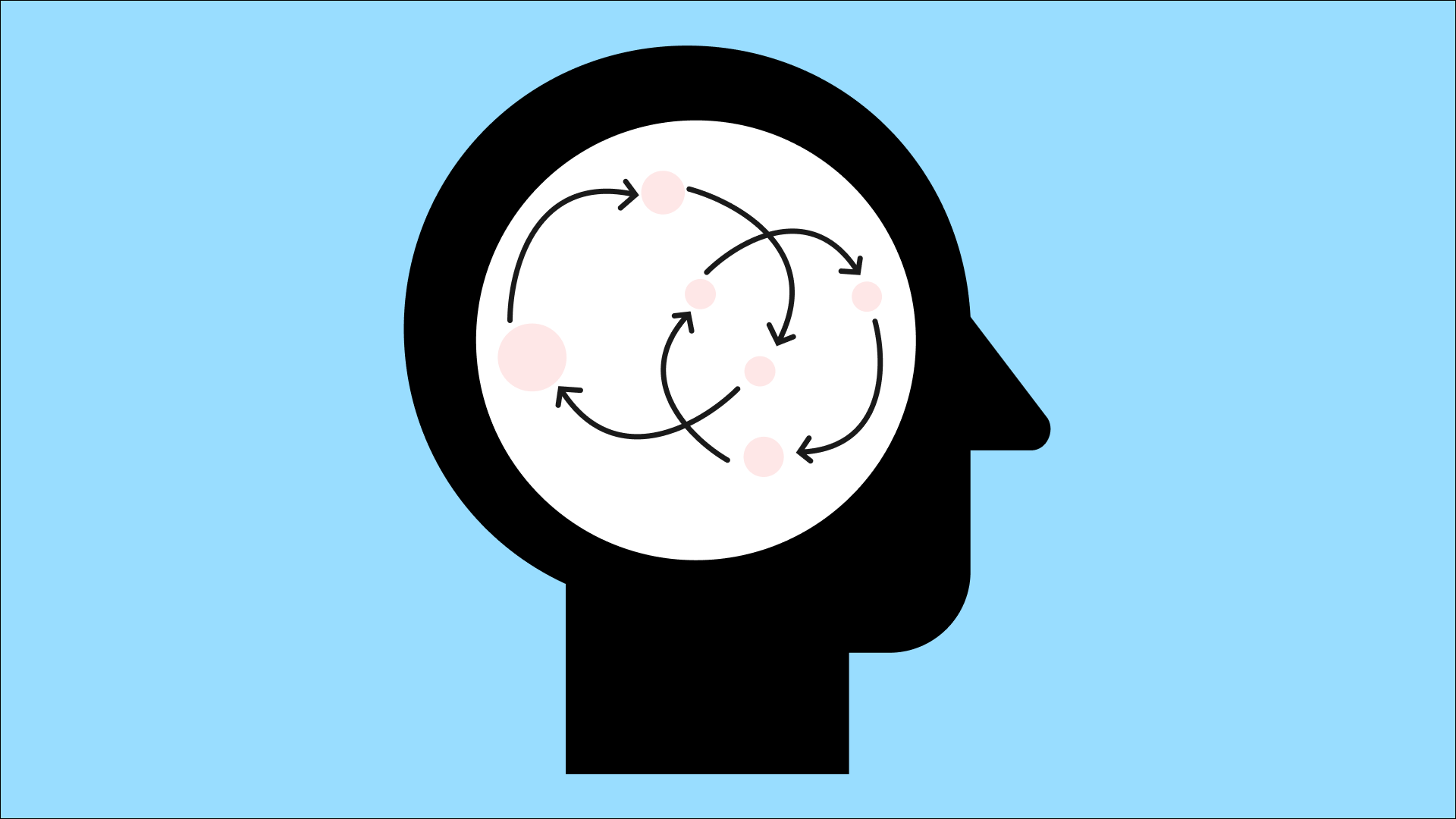
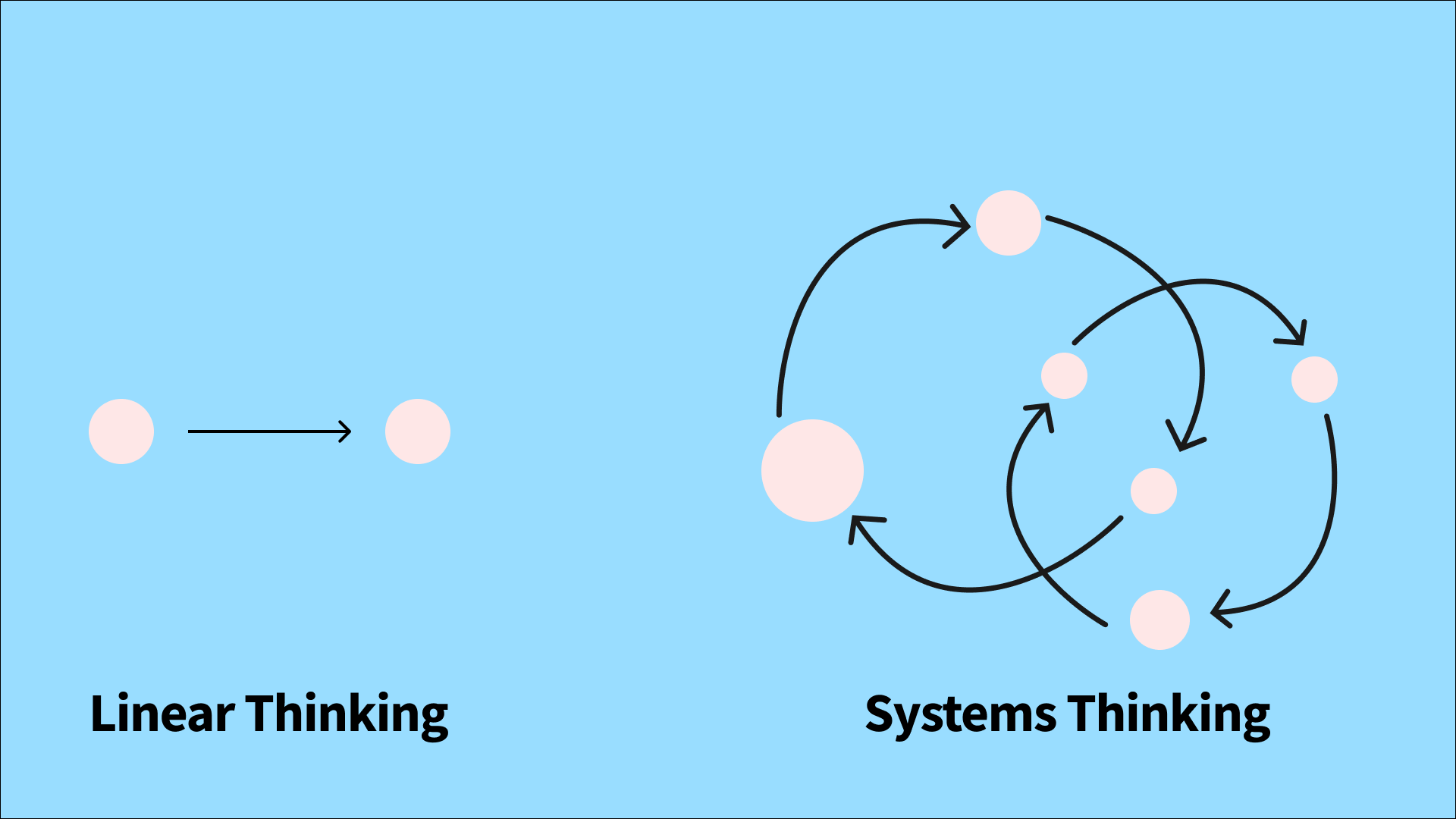
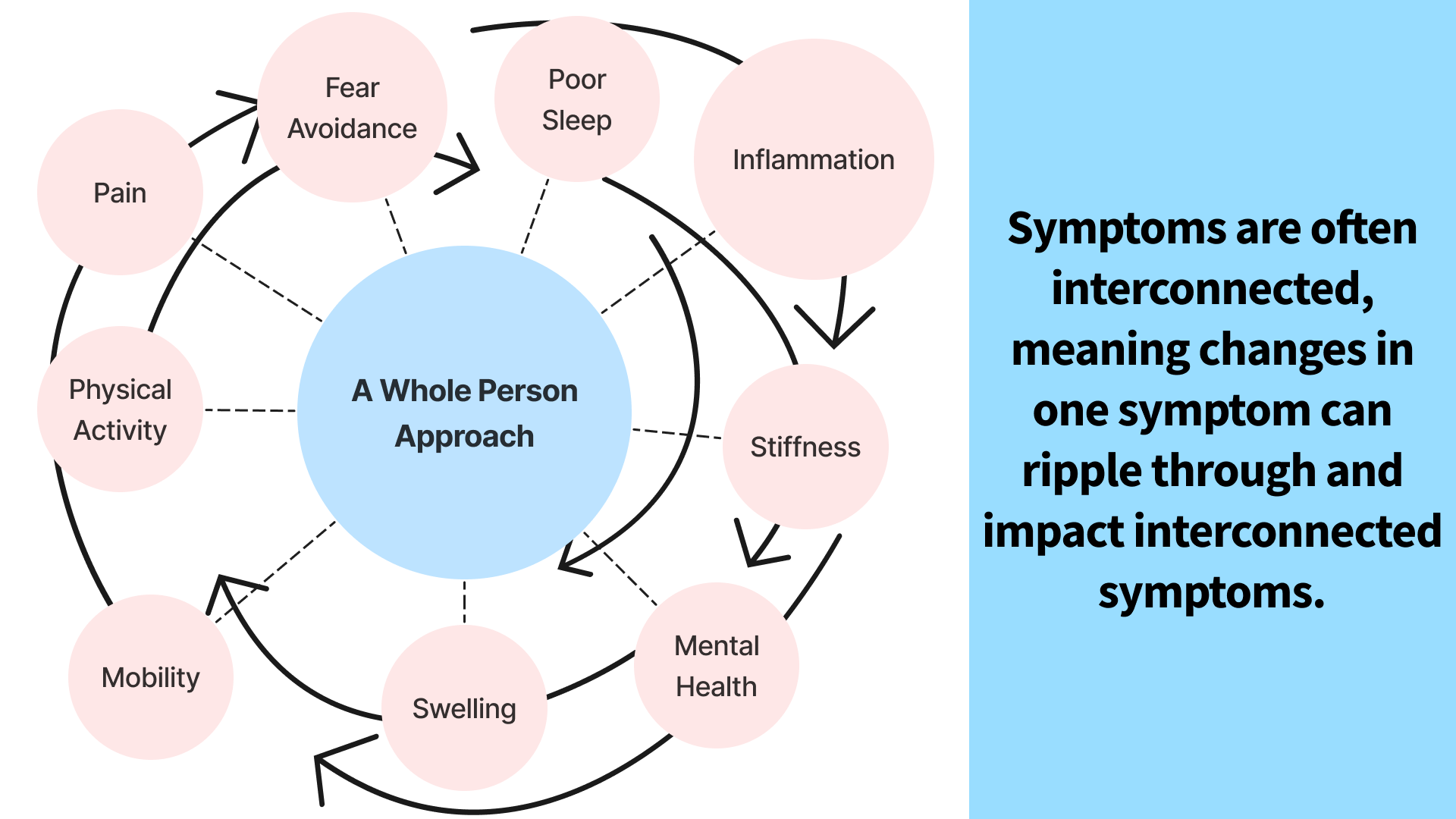
In complexity science, we recognize that symptoms are interconnected "nodes" in a network. For example:
Chronic Pain can lead to Poor Sleep.
Poor Sleep increases Systemic Inflammation.
Inflammation reduces the desire for Physical Activity.
Inactivity leads to Muscle Weakness, which loops back to exacerbate Symptoms.
As therapists, we aren't just "fixing" a node; we are looking for leverage points to disrupt these self-reinforcing cycles and shift the system toward health.
2. Allostatic Load and the 'Ball and Cup Analogy'
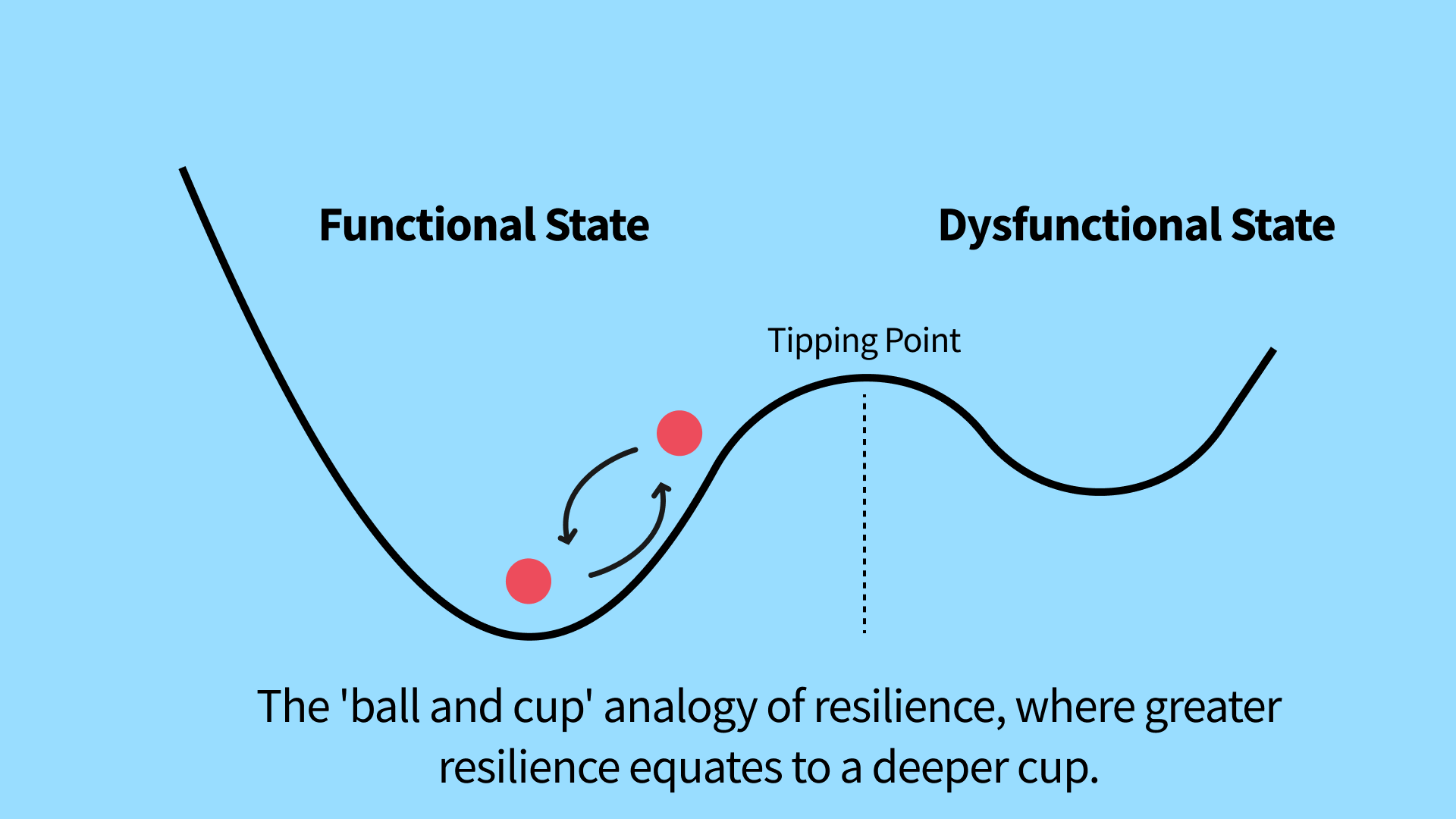
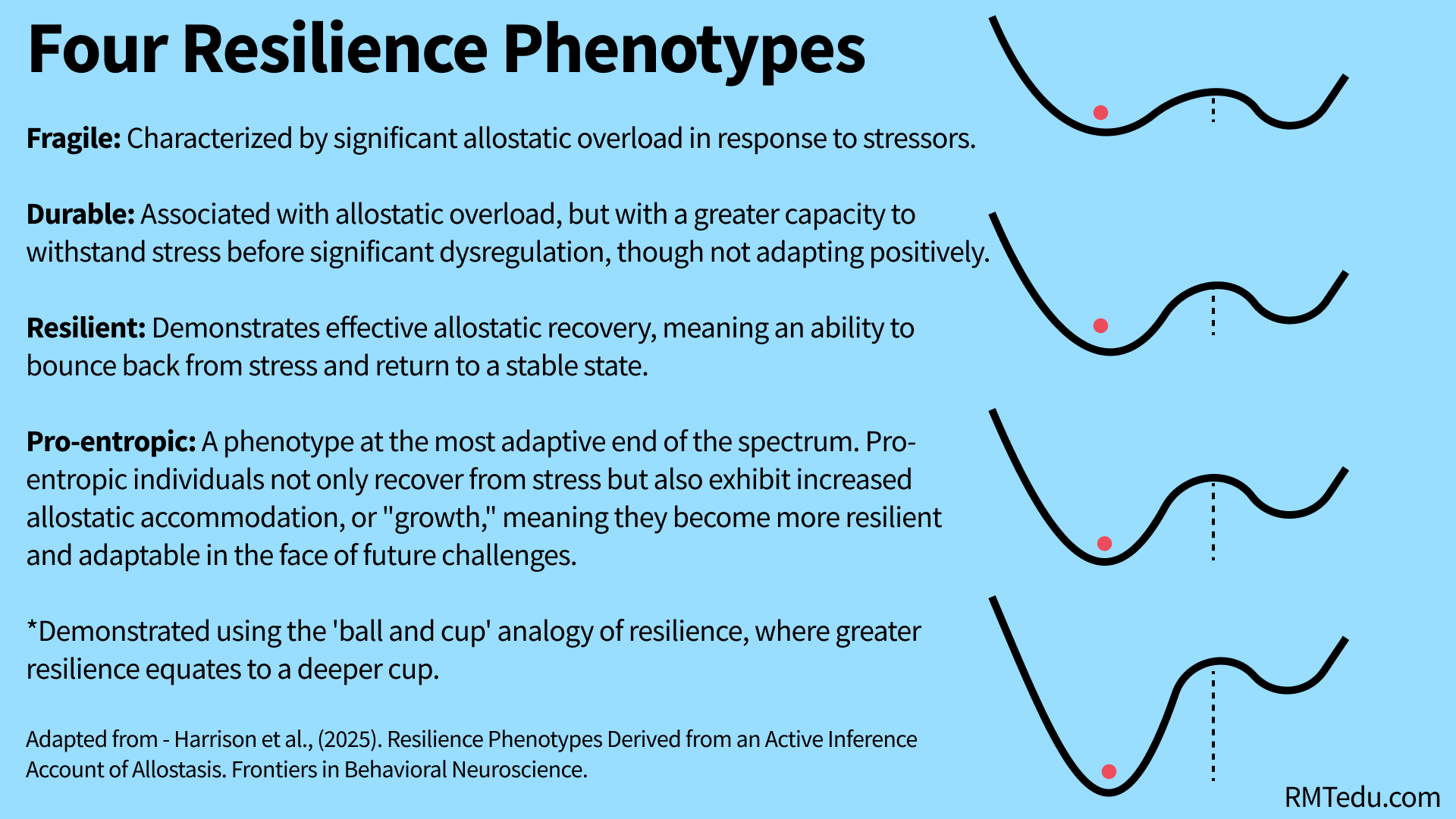
Health is an emergent property of systemic interactions, best defined by Resilience. We can visualize this using the "Ball and Cup" analogy:
The Cup represents our resilience. A deep basin means the system (the ball) is stable and hard to push into a dysfunctional state.
The Perturbations: Trauma, stress, and poor sleep are forces nudging the ball toward the edge (Lutke Schipholt et al., 2026).
Allostatic Load: This is the cumulative "wear and tear" on the body. When the neuro-endocrine-immune system becomes dysregulated, our basin becomes shallow, and our adaptability diminishes (Borsook, 2025; Kiverstein et al., 2022; Pitcher et al., 2023).
3. Fostering Adaptability: The New Clinical Goal
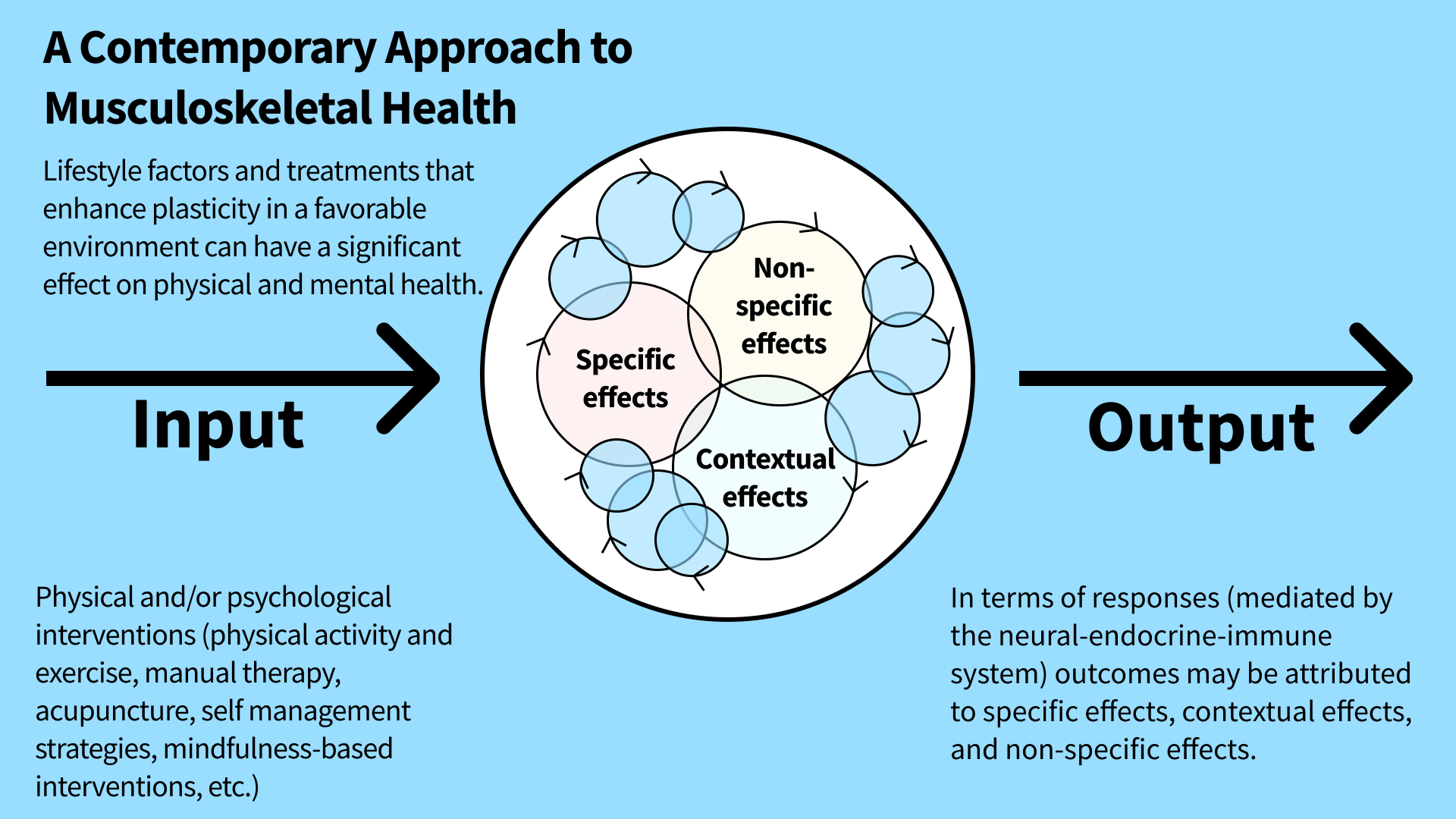
Our role as massage therapists is to help people build a "deeper basin." We achieve this through multimodal and multidisciplinary strategies (Artz et al., 2024; Deenik et al., 2025; Klyne et al., 2026; Langevin et al., 2024; Lutke Schipholt et al., 2026; Nijs et al., 2024) that target the body’s ability to adapt:
Massage and Manual Therapy: These interventions modulate the neuro-immune system and reduce acute allostatic load (Jinich-Diamant et al., 2026; Keter et al., 2025; Packheiser et al., 2024; Shepherd et al., 2025).
Mind-Body Interventions: These reduce threat perception and improve interoception (the sense of the body’s internal state) (Quinlan et al., 2024; Wayne et al., 2025).
Movement and Physical Activity: These increase physiological capacity and promote active coping (Dibben et al., 2024; Schütze et al., 2025).
Conclusion: The Scientific Bridge
"A shift toward Whole-Person Health recognizes that well-being isn’t just what’s happening in the body—it’s shaped by our environment, social context, and lived experiences."
To truly address musculoskeletal health, we must move beyond "fixing" tissue and start supporting the system’s ability to self-organize (Cohen et al., 2025; Fabiano et al., 2026; Low et al., 2025). This Whole-Person Health framework is informed by adaptability and complex systems theory to provide a scientific bridge to traditional healing practices. By emphasizing adaptability over structural alignment, we empower people to build resilience across several domains —physiological, psychological, and social (Lee et al., 2026; Minelli, 2026; Nesi et al., 2025; Vaz et al., 2023).
Glossary of Terms
Allostasis: The flexible regulation of physiology, underwriting the maintenance of variables within specified ranges by pre-emptive responses based on current and predicted future physiological states, external environments, and behavioral goals.
Allostatic load: The “wear and tear” on the body associated with chronically high levels of stress and arousal.
Complex system: A system in which the properties are highly dependent on the interactions of its many parts, possibly involving feedback, cycles, and nonlinearities. In this context, “complex” should not be equated with “complicated.”
Critical transition: The point at which a system suddenly jumps from one equilibrium to another.
Enactivism: A perspective that emphasizes the active role of an organism in constructing and experiencing the world through its interactions with its environment.
Equilibrium: A state of a complex system in which current functioning tends to be maintained despite perturbations occurring over time.
Embodied: Perception and therefore pain are generated by the whole organism (brain, body, and action) through coupled sensorimotor and physiological regulation, not by the brain alone.
Exteroception: Perceptual inference based on sensory signals originating from outside the body (e.g., vision, hearing, touch, taste, smell).
Force-based manipulations: The application of mechanical forces to the outside of the body with therapeutic intent. This can include light touch, soft tissue massage, mobilization, cupping, acupuncture, or other needling interventions.
Health: A state of physical, mental, and social well-being and not merely the absence of disease and infirmity.
Interoception: The processing of sensing and perceiving sensory signals relating to internal bodily states.
Mechanisms: Mechanisms are the molecular, cellular, physiological processes or pathways contributing to a) disease development, b) treatment action, or c) pain signal sensation, transmission, perception, and modulation.
Musculoskeletal conditions: A broad term for problems that affect muscles, bones, joints, tendons, ligaments, and nerves.
Network dynamics: Changes of state in biological networks over time or the propagation of effects due to stimuli or disruptions; crucial for understanding disease progression and the impact of therapeutic interventions.
Neuroplasticity: Changes in neural pathways and synapses that result from bodily injury or changes in behavior, environment, or neural processes. This reflects the concept that the brain is a dynamic organ that constantly changes in response to internal and external events.
Non-linearity: A relationship where outputs are not always proportional to inputs. Small changes may lead to large changes in the system and vice versa.
Perturbation: An external factor that potentially interferes with the system’s behavior.
Resilience: A system's capacity to recover, grow, adapt, or resist perturbation from a challenge or stressor.
Salutogenesis: The process by which individuals move from a less healthy state to a healthier state. The concept emphasizes factors that promote and maintain good health rather than focusing solely on pathogenesis (disease).
Whole-person health: Involves examining interconnections among all organs and systems of the body, as well as the effects of multicomponent interventions across physiological, behavioral, social, and environmental domains.
References and Sources
Here are textbooks that focus on the history of massage for an more in-depth look at the history of massage:
Benjamin, P. (2015). The Emergence of the Massage Therapy Profession in North America: A History in Archetypes. Curties-Overzet Publications.
Calvert, R. (2002). The History of Massage: An Illustrated Survey from around the World. Healing Arts Press.
Graham, D. (1884). A Practical Treatise on Massage, Its History, Mode of Application, and Effects. W. Wood & Company.
Lo, V., Stanley-Baker, M., & Yang, D. (2022). Routledge Handbook of Chinese Medicine (1st ed.). Routledge.
Ottosson, A. (2025). The Lost Origins of Osteopathy and Chiropractic in European Mechanical Medicine. Taylor & Francis.
With over 15 years of clinical experience and extensive study of massage therapy research, I'm committed to creating resources that foster the professional development of massage therapists globally. Whether you're a seasoned massage therapist or a curious newcomer, this massage therapy glossary is here to be your one-stop shop for understanding terms as it relates to massage therapy. Additionally this post highlights a substantial body of evidence supporting the use of massage therapy in alleviating pain and enhancing quality of life across a range of health issues.
This is a selection of sources I used to help formulate my ideas based on over-lapping concepts from massage therapy, physiotherapy, chiropractic, osteopathy, lifestyle medicine and traditional healing approaches.
Ang, L., Song, E., Jong, M. C., Alræk, T., Wider, B., Choi, T. Y., Jun, J. H., Lee, B., Choi, Y., Lee, H. W., Yang, C., Yim, M. H., Yamashita, H., Ji, Z., Hu, H., Zhang, J., Liu, J., Chen, Y., Qin, Y., Lu, L., … Lee, M. S. (2024). An evidence map on traditional medicine across health outcomes. Integrative medicine research, 13(3), 101070. https://doi.org/10.1016/j.imr.2024.101070
Artz, K. E., Phillips, T. D., Moore, J. M., & Tibbe, K. E. (2024). Redesigning the Care of Musculoskeletal Conditions With Lifestyle Medicine. Mayo Clinic proceedings. Innovations, quality & outcomes, 8(5), 418–430. https://doi.org/10.1016/j.mayocpiqo.2024.07.001
Banton, A., McIntyre, C., Ellwood, J., MacMillan, A., Hohenschurz-Schmidt, D., & Vogel, S. (2026). Rethinking causation and mechanisms in osteopathy and physical intervention trial design: the positivist-realist continuum. International Journal of Osteopathic Medicine, 100820.
Barbe, M. F., Lambi, A. G., Harris, M. Y., Patel, P. R., Tamas, I. P., McGonagle, E. R., Van Der Bas, M., Kalicharan, B. A., Bright-Rowe, L., Popoff, S. N., & Klyne, D. M. (2025). Overuse injury induces persistent behavioral declines that correlate with higher IL-6 expression in the affected musculoskeletal tissues, circulation, and brain. Frontiers in physiology, 16, 1500795. https://doi.org/10.3389/fphys.2025.1500795
Baskwill, A. (2026). Shaping Understanding: The Role of Professional Language in Massage Therapy. International journal of therapeutic massage & bodywork, 19(1), 1–5. https://doi.org/10.3822/ijtmb.v19i1.1459
Beinfield, H., & Korngold, E. (1995). Chinese traditional medicine: an introductory overview. Alternative therapies in health and medicine, 1(1), 44–52.
Béres, A. (2024). Revisiting the relationship between traditional East Asian medicine and biomedicine: Incorporating the Western into the Eastern. European Journal of Integrative Medicine, 70, 102388.
Bohic, M., Salamone, P. C., Zuo, W., Negm, A., Fulton, S. L., Du, S., Jayakumar, S., Keating, J., Soubeyre, V., Gradwell, M. A., Upadhyay, A., Shorter, L., Kim, J., Inoue, Y. U., Inoue, T., Mensch, B., Ye, J. H., Peirs, C., Poulen, G., Lonjon, N., … Abraira, V. E. (2026). Oxytocin Modulation of Spinal Circuits Drives Therapeutic Benefits of Massage. bioRxiv : the preprint server for biology, 2026.01.11.698886. https://doi.org/10.64898/2026.01.11.698886
Borsook, D. (2025). Allostatic load and pain: instability of a bio-social ecosystem. Pain, 166(11S), S27–S32. https://doi.org/10.1097/j.pain.0000000000003716
Branchi l, I. (2025). Integrating plasticity into precision psychiatry. European psychiatry : the journal of the Association of European Psychiatrists, 68(1), e54. https://doi.org/10.1192/j.eurpsy.2025.19
Branchi, I. (2026). Quantifying plasticity: A network-based framework linking structure to dynamical regimes. Neuroscience and biobehavioral reviews, 187, 106765. https://doi.org/10.1016/j.neubiorev.2026.106765
Buenrostro-Jáuregui, M. H., Muñóz-Sánchez, S., Rojas-Hernández, J., Alonso-Orozco, A. I., Vega-Flores, G., Tapia-de-Jesús, A., & Leal-Galicia, P. (2025). A Comprehensive Overview of Stress, Resilience, and Neuroplasticity Mechanisms. International journal of molecular sciences, 26(7), 3028. https://doi.org/10.3390/ijms26073028
Cashin, A. G., McAuley, J. H., Lamb, S. E., & Lee, H. (2021). Disentangling contextual effects from musculoskeletal treatments. Osteoarthritis and cartilage, 29(3), 297–299. https://doi.org/10.1016/j.joca.2020.12.011
Cerritelli, F., & Esteves, J. E. (2022). An Enactive-Ecological Model to Guide Patient-Centered Osteopathic Care. Healthcare (Basel, Switzerland), 10(6), 1092. https://doi.org/10.3390/healthcare10061092
Chapman, C. R., Tuckett, R. P., & Song, C. W. (2008). Pain and stress in a systems perspective: reciprocal neural, endocrine, and immune interactions. The journal of pain, 9(2), 122–145. https://doi.org/10.1016/j.jpain.2007.09.006
Chen, W. G., & Langevin, H. M. (2025). Interoception as a central mechanism in Whole Person Health. PLoS biology, 23(11), e3003487. https://doi.org/10.1371/journal.pbio.3003487
Cholewicki, J., Hodges, P. W., Popovich, J. M., Jr, Aminpour, P., Gray, S. A., Lee, A. S., Breen, A., Brumagne, S., van Dieën, J. H., Van Dillen, L. R., Dreisinger, T. E., Ferreira, M. L., George, S. Z., Goertz, C. M., Hartvigsen, J., Hides, J. A., Hoy, D., Kawchuk, G. N., Koes, B. W., Kothe, R., … Weiser, S. (2026). A meta-model of low back pain to examine collective expert knowledge of treatment effects and their mechanisms. European spine journal : official publication of the European Spine Society, the European Spinal Deformity Society, and the European Section of the Cervical Spine Research Society, 10.1007/s00586-026-09932-y. Advance online publication. https://doi.org/10.1007/s00586-026-09932-y
Cohen, A. A., Picard, M., Beard, J. R., Belsky, D. W., Herbstman, J., Kuryla, C. L., Liu, M., Makarem, N., Malinsky, D., Pei, S., Wei, Y., & Fried, L. P. (2025). Intrinsic health as a foundation for a science of health. Science advances, 11(25), eadu8437. https://doi.org/10.1126/sciadv.adu8437
Cook, C. E., Abraira, V. E., Burns, J., Degenhardt, B. F., Kawchuk, G., Keter, D., Loghmani, M. T., Reed, W. R., Winkelstein, B. A., & McDevitt, A. (2025). Categorizing Treatment Mechanisms for Complementary and Integrative Musculoskeletal Interventions. International journal of osteopathic medicine : IJOM, 55, 100749. https://doi.org/10.1016/j.ijosm.2025.100749
Cook, C. E., Keter, D., Napadow, V., Barbe, M. F., Perle, S. M., Bent, J., Learman, K., & Reed, W. R. (2026). Manual Therapy Treatment Mechanisms are Complex: Challenges and a Call to Action. Complementary therapies in medicine, 103393. Advance online publication. https://doi.org/10.1016/j.ctim.2026.103393
Cormack, B., Stilwell, P., Coninx, S., & Gibson, J. (2023). The biopsychosocial model is lost in translation: from misrepresentation to an enactive modernization. Physiotherapy theory and practice, 39(11), 2273–2288. https://doi.org/10.1080/09593985.2022.2080130
Coninx, S., & Stilwell, P. (2023). Chronic Pain, Enactivism, & the Challenges of Integration. In Situated Cognition Research: Methodological Foundations (pp. 241-276). Springer International Publishing.
d'Andrea, V., Loscalzo, J., & De Domenico, M. (2026). Challenges and opportunities in the network medicine of complex diseases. Med (New York, N.Y.), 7(2), 100920. https://doi.org/10.1016/j.medj.2025.100920
Deenik, J., Vermeulen, J. M., Teasdale, S. B., Schuch, F. B., Marx, W., Perry, B., Diez, G. G., Castellanos, N., Elshazly, M., Gatera, G., Waugh, M., Hepsomali, P., Bueno-Antequera, J., Borrueco Sánchez, J., Lopez Moral, A., López-Sánchez, C., Oviedo Caro, M. A., Dejonge, M., Noortman, C., van Schothorst, M., … Firth, J. (2025). Lifestyle psychiatry: a conceptual framework for application in mental healthcare and support. BMJ mental health, 28(1), e301980. https://doi.org/10.1136/bmjment-2025-301980
Dibben, G. O., Gardiner, L., Young, H. M. L., Wells, V., Evans, R. A., Ahmed, Z., Barber, S., Dean, S., Doherty, P., Gardiner, N., Greaves, C., Ibbotson, T., Jani, B. D., Jolly, K., Mair, F. S., McIntosh, E., Ormandy, P., Simpson, S. A., Ahmed, S., Krauth, S. J., … PERFORM research team (2024). Evidence for exercise-based interventions across 45 different long-term conditions: an overview of systematic reviews. EClinicalMedicine, 72, 102599. https://doi.org/10.1016/j.eclinm.2024.102599
Dunn, M., Rushton, A. B., Mistry, J., Soundy, A., & Heneghan, N. R. (2024). The biopsychosocial factors associated with development of chronic musculoskeletal pain. An umbrella review and meta-analysis of observational systematic reviews. PloS one, 19(4), e0294830. https://doi.org/10.1371/journal.pone.0294830
Esteves, J. E., Nunes, A., Newell, D., & Thacker, M. (2026). Are we harnessing the full potential of osteopathy in the healthcare system? A Critical Narrative Review. RevSALUS - International Scientific Journal of the Academic Network of Health Sciences of Lusophone, 8(1). https://doi.org/10.51126/revsalus.v8i1.1403
Fabiano, N., Solmi, M., Kroenke, K., Stubbs, B., Firth, J., Gaughran, F., Machaczek, K. K., Palmer, C., & Fiedorowicz, J. G. (2026). The imaginary divide between mental and “physical” health: Dismantling dualism and reductionism to address a monumental mistake in medicine. JCPP Advances, e70123. https://doi.org/10.1002/jcv2.70123
Friedman, Y. (2022). Who is the biological patient? A new gradational and dynamic model for one health medicine. History and philosophy of the life sciences, 44(4), 61. https://doi.org/10.1007/s40656-022-00540-9
Graham, K. D., Foley, H., Adams, J., & Steel, A. (2023). Complex systems, complex practice, complex outcomes: a call for the development of complexity-informed implementation models (CIIM) for traditional, complementary, and integrative medicine. European journal of integrative medicine, 64, 102314. https://doi.org/10.1016/j.eujim.2023.102314
Hardcastle, V. G. (2024). Entangled brains and the experience of pains. Frontiers in psychology, 15, 1359687. https://doi.org/10.3389/fpsyg.2024.1359687
Harrison, L. A., Gracias, A. J., Friston, K. J., & Buckwalter, J. G. (2025). Resilience phenotypes derived from an active inference account of allostasis. Frontiers in behavioral neuroscience, 19, 1524722. https://doi.org/10.3389/fnbeh.2025.1524722
Harvey A. R. (2023). Injury, illness, and emotion: A review of the motivational continuum from trauma through recovery from an ecological perspective. Brain, behavior, & immunity - health, 27, 100586. https://doi.org/10.1016/j.bbih.2022.100586
Hermans, E. J., Hendler, T., & Kalisch, R. (2025). Building Resilience: The Stress Response as a Driving Force for Neuroplasticity and Adaptation. Biological psychiatry, 97(4), 330–338. https://doi.org/10.1016/j.biopsych.2024.10.016
Huong, C., Bernstein, E. E., Curtiss, J. E., Kolar, D. R., & Brown, D. M. (2024). Network approaches for physical activity and mental health research. Sport, Exercise, and Performance Psychology.
Ibáñez, A., Duran-Aniotz, C., Migeot, J., Báez, S., Fittipaldi, S., Coronel-Oliveros, C., Eyre, H. A., Udeh-Momoh, C., Zetterberg, H., Alladi, S., Sandi, C., Robertson, I. H., Franzen, S., Farombi, T., Montalvo Ortiz, J. L., Seshadri, S., Court, F., Valdes-Sosa, P., Xu, J., Yu, C., … Santamaría-García, H. (2025). Computational whole-body-exposome models for global precision brain health. Nature communications, 16(1), 11078. https://doi.org/10.1038/s41467-025-67448-3
Illes, J., Perreault, M. L., Bassil, K., Bjaalie, J. G., Taylor-Bragge, R. L., Chneiweiss, H., Gregory, T. R., Kumar, B. N., Matshabane, O. P., Svalastog, A. L., & Velarde, M. R. (2025). Two-Eyed Seeing and other Indigenous perspectives for neuroscience. Nature, 638(8049), 58–68. https://doi.org/10.1038/s41586-024-08437-2
Iovoli, F., Hall, M., Nenadic, I., Straube, B., Alexander, N., Jamalabadi, H., Jansen, A., Stein, F., Brosch, K., Thomas-Odenthal, F., Usemann, P., Teutenberg, L., Wroblewski, A., Pfarr, J., Thiel, K., Flinkenflügel, K., Meinert, S., Grotegerd, D., Hahn, T., Goltermann, J., … Rubel, J. A. (2024). Exploring the complex interrelation between depressive symptoms, risk, and protective factors: A comprehensive network approach. Journal of affective disorders, 355, 12–21. https://doi.org/10.1016/j.jad.2024.03.119
Jaquot, E., Paintendre, A., Ménard, M., & Andrieu, B. (2026). Beyond manual technique: an integrated epistemological framework for the essential functions of osteopathic touch. International Journal of Osteopathic Medicine, 100859.
Jinich-Diamant, A., Albinni, B., Fishbein, J. N., Jacobson, E., Abraira, V. E., Hong, S., Korgan, A. C., Mazzieri, A. M., & Case, L. (2026). MASSAG model: Towards an integrative neuroscience framework linking emotional trauma, pain, and mechanisms of force-based manipulations. Neuroscience and biobehavioral reviews, 181, 106517. https://doi.org/10.1016/j.neubiorev.2025.106517
Kapos, F. P., Craig, K. D., Anderson, S. R., Bernardes, S. F., Hirsh, A. T., Karos, K., Keogh, E., Reynolds Losin, E. A., McParland, J. L., Moore, D. J., & Ashton-James, C. E. (2024). Social Determinants and Consequences of Pain: Toward Multilevel, Intersectional, and Life Course Perspectives. The journal of pain, 25(10), 104608. https://doi.org/10.1016/j.jpain.2024.104608
Keever, T. (2025). The Whole Well-Being Model: A Layered Framework for Thriving People, Systems, and Planet. Global advances in integrative medicine and health, 14, 27536130251364869. https://doi.org/10.1177/27536130251364869
Kerry, R., Young, K. J., Evans, D. W., Lee, E., Georgopoulos, V., Meakins, A., McCarthy, C., Cook, C., Ridehalgh, C., Vogel, S., Banton, A., Bergström, C., Mazzieri, A. M., Mourad, F., & Hutting, N. (2024). A modern way to teach and practice manual therapy. Chiropractic & manual therapies, 32(1), 17. https://doi.org/10.1186/s12998-024-00537-0
Keter, D. L., Bialosky, J. E., Brochetti, K., Courtney, C. A., Funabashi, M., Karas, S., Learman, K., & Cook, C. E. (2025). The mechanisms of manual therapy: A living review of systematic, narrative, and scoping reviews. PloS one, 20(3), e0319586. https://doi.org/10.1371/journal.pone.0319586
Kiverstein, J., Kirchhoff, M. D., & Thacker, M. (2022). An embodied predictive processing theory of pain experience. Review of Philosophy and Psychology, 13(4), 973-998.
Kligler, B., Bonnet, J., Dahmer, S., Jonas, W., Kreitzer, M., Krist, A., & Rw, S. (2026). Whole Person Health Care: A Way Forward. American journal of lifestyle medicine, 15598276261440796. Advance online publication. https://doi.org/10.1177/15598276261440796
Klyne, D. M., Hall, M., Smith, S. S., Barbe, M. F., Egorova-Brumley, N., Serafimovska, A., Hodges, P. W., & Suraev, A. (2026). Understanding the relationship between sleep, psychological and musculoskeletal health from a neuroimmune perspective. Musculoskeletal science & practice, 82, 103509. https://doi.org/10.1016/j.msksp.2026.103509
Kok, A. A. L., Huisman, M., Giltay, E. J., & Lunansky, G. (2025). Adopting a complex systems approach to functional ageing: bridging the gap between gerontological theory and empirical research. The lancet. Healthy longevity, 6(3), 100673. https://doi.org/10.1016/j.lanhl.2024.100673
Langevin, H. M. (2024). Health and Well-Being: Distinct and Intertwined Concepts. Medical care, 62(12 Suppl 1), S13–S14. https://doi.org/10.1097/MLR.0000000000002061
Langevin, H. M., Weber, W., & Chen, W. (2024). Integrated multicomponent interventions to support healthy aging of the whole person. Aging cell, 23(1), e14001. https://doi.org/10.1111/acel.14001
Lebert, R., Noy, M., Purves, E., & Tibbett, J. (2022). Massage Therapy: A Person-Centred Approach to Chronic Pain. International journal of therapeutic massage & bodywork, 15(3), 27–34. https://doi.org/10.3822/ijtmb.v15i3.713
Lee, K. H., & Lee, C. E. (2025). The evolving landscape of health and social care integration: in search of a unifying theory. Frontiers in medicine, 12, 1464699. https://doi.org/10.3389/fmed.2025.1464699
Lee, S., Yoon, S. I., Liao, H. Y., Kim, J. W., Lee, I. S., & Chae, Y. (2026). Listen to your inner body: embodied emotions in predictive neuroscience and traditional East Asian medicine. Frontiers in human neuroscience, 20, 1807034. https://doi.org/10.3389/fnhum.2026.1807034
Lei, D., & Djedovic, A. P. A. (2025). The Synergistic Mind-Body Hypothesis: A Daoist Approach to Consciousness from the Perspective of Traditional Chinese Medicine. Canadian Undergraduate Journal of Cognitive Science, 8.
Low, M., Moffatt, F. H., Kerry, R., & Nicholls, D. A. (2025). Physioethology: a post-humanist perspective on physiotherapy. Physiotherapy theory and practice, 41(12), 2681–2699. https://doi.org/10.1080/09593985.2025.2532572
Lunansky, G., Bonanno, G. A., Blanken, T. F., van Borkulo, C. D., Cramer, A. O. J., & Borsboom, D. (2025). Bouncing back from life's perturbations: Formalizing psychological resilience from a complex systems perspective. Psychological review, 132(6), 1396–1409. https://doi.org/10.1037/rev0000497
Lutke Schipholt, I. J., Coppieters, M. W., Scholten-Peeters, G. G. M., Hutchinson, M. R., & Klyne, D. M. (2026). Neuroimmune interactions in musculoskeletal conditions. An introduction for clinicians. Musculoskeletal science & practice, 81, 103469. https://doi.org/10.1016/j.msksp.2025.103469
Lutke Schipholt, I. J., van Onna, M. M., van Dieën, J. H., Pisters, M. F., Das, E. J., Quax, R., & Scholten-Peeters, G. G. M. (2026). Why neck pain persists: rethinking neck pain recovery through a complex systems approach. Musculoskeletal science & practice, 103621. Advance online publication. https://doi.org/10.1016/j.msksp.2026.103621
Lynch, J. M., Thomas, H. R., Askew, D. A., & Sturman, N. (2023). Holding the complex whole: Generalist philosophy, priorities and practice that facilitate whole-person care. Australian journal of general practice, 52(7), 428–433. https://doi.org/10.31128/AJGP-01-23-6686
MacDonald, C. W., Parkes, R., & Osmotherly, P. G. (2025). Part II: Beyond Broken Histories: Reframing Professional Identity and the Historical Genesis of Manual Therapy. Interviews across professions. The Journal of manual & manipulative therapy, 33(2), 82–94. https://doi.org/10.1080/10669817.2024.2426051
Mauro, F. (2026). A Bayesian framework for happiness, health, and psychological well-being. Frontiers in psychology, 17, 1778763. https://doi.org/10.3389/fpsyg.2026.1778763
Martinez, V. M. L., Martins, M. D. S., Capra, F., Schuch, F. B., Wearick-Silva, L. E., & Feoli, A. M. P. (2024). The Impact of Physical Activity and Lifestyle on Mental Health: A Network Analysis. Journal of physical activity & health, 21(12), 1330–1340. https://doi.org/10.1123/jpah.2024-0198
McParlin, Z., Cerritelli, F., Rossettini, G., Friston, K. J., & Esteves, J. E. (2022). Therapeutic Alliance as Active Inference: The Role of Therapeutic Touch and Biobehavioural Synchrony in Musculoskeletal Care. Frontiers in behavioral neuroscience, 16, 897247. https://doi.org/10.3389/fnbeh.2022.897247
McSwan, J., Panwar, C. E., & Mobasheri, A. (2025). Looking Inwards: The Role of Self-Care, Self-Management and Self-Healing in Musculoskeletal Pain. Musculoskeletal care, 23(3), e70169. https://doi.org/10.1002/msc.70169
Mickle, A. M., Tanner, J. J., Olowofela, B., Wu, S., Garvan, C., Lai, S., Addison, A., Przkora, R., Edberg, J. C., Staud, R., Redden, D., Goodin, B. R., Price, C. C., Fillingim, R. B., & Sibille, K. T. (2023). Elucidating individual differences in chronic pain and whole person health with allostatic load biomarkers. Brain, behavior, & immunity - health, 33, 100682. https://doi.org/10.1016/j.bbih.2023.100682
Minelli, A., Bottaccioli, A. G., & Bottaccioli, F. (2025). Psyche and Life: Allostasis between the Predictive brain-mind system and Traditional Chinese Medicine. PNEI review: rivista della Società Italiana di Psiconeuroendocrinoimmunologia: 1, 2025, 1-14.
Minelli, A. (2026). The mind-body-world unity: the predictive mind and the allostatic paradigm as a bridge between neuroscience and Traditional Chinese Medicine. A conceptual review. Brain Behavior and Immunity Integrative, 100158.
Montano, M., Oursler, K. K., & Marconi, V. C. (2024). Healthy aging: Linking causal mechanisms with holistic outcomes. Aging cell, 23(1), e14065. https://doi.org/10.1111/acel.14065
Moore, B. E., Schleidgen, L., Hang, C. P., Chelsea, H. C. Y., Rabey, M., Ng, L., Chai, K. E. K., Melton, P., Cowen, G., Beales, D., & Moloney, N. (2026). Protection from Chronic Musculoskeletal Pain: A Scoping Review. European journal of pain (London, England), 30(4), e70273. https://doi.org/10.1002/ejp.70273
Nadinda, P. G., van Laarhoven, A. I. M., Van den Bergh, O., Vlaeyen, J. W. S., Peters, M. L., & Evers, A. W. M. (2024). Expectancies and avoidance: Towards an integrated model of chronic somatic symptoms. Neuroscience and biobehavioral reviews, 164, 105808. https://doi.org/10.1016/j.neubiorev.2024.105808
Nazarloo, H. P., Porges, S. W., Davis, J. M., & Carter, C. S. (2026). From Molecules to Meaning: Integrating Neuropeptides, Sociostasis, and Hormesis in the Brain-Heart Axis. Current issues in molecular biology, 48(4), 386. https://doi.org/10.3390/cimb48040386
Nesi, J., Benites, M., & Schedler, F. B. (2025). Enactivism: A contemporary perspective of a reconceptualization of osteopathy. Advances in Integrative Medicine, 12(3), 100416.
Newell, D., Segal, S., Rossettini, G., O'Neill, S., Lothe-Raven, T., Lothe, L., Weiniger, S., DuRose, A., Beira, B., Walker, K., Esteves, J. E., & Thacker, M. (2026). Prediction, pain, and the power of context: toward a contemporary identity for the chiropractic profession. Chiropractic & manual therapies, 34(1), 35. https://doi.org/10.1186/s12998-026-00669-5
Nijs, J., Malfliet, A., Roose, E., Lahousse, A., Van Bogaert, W., Johansson, E., Runge, N., Goossens, Z., Labie, C., Bilterys, T., Van Campenhout, J., Polli, A., Wyns, A., Hendrix, J., Xiong, H. Y., Ahmed, I., De Baets, L., & Huysmans, E. (2024). Personalized Multimodal Lifestyle Intervention as the Best-Evidenced Treatment for Chronic Pain: State-of-the-Art Clinical Perspective. Journal of clinical medicine, 13(3), 644. https://doi.org/10.3390/jcm13030644
Núñez-Cortés, R., Salazar-Méndez, J., & Nijs, J. (2025). Physical Activity as a Central Pillar of Lifestyle Modification in the Management of Chronic Musculoskeletal Pain: A Narrative Review. Journal of Functional Morphology and Kinesiology, 10(2), 183. https://doi.org/10.3390/jfmk10020183
Oikkonen, V., Helosvuori, E., Ganesh, A., & Rokkonen, L. A. (2025). Entangled Illnesses: Embodied Experiences of Managing Multimorbidity. Sociology of health & illness, 47(2), e70006. https://doi.org/10.1111/1467-9566.70006
Ozawa De Silva, C., & Ozawa-De Silva, B. R. (2011). Mind/body theory and practice in Tibetan medicine and Buddhism. Body & Society, 17(1), 95-119.
Packheiser, J., Hartmann, H., Fredriksen, K., Gazzola, V., Keysers, C., & Michon, F. (2024). A systematic review and multivariate meta-analysis of the physical and mental health benefits of touch interventions. Nature human behaviour, 8(6), 1088–1107. https://doi.org/10.1038/s41562-024-01841-8
Pessoa, L. (2026). Beyond networks: Toward adaptive models of biological complexity. Physics of life reviews, 56, 67–81. https://doi.org/10.1016/j.plrev.2025.11.007
Pitcher, M. H., Edwards, E., Langevin, H. M., Rusch, H. L., & Shurtleff, D. (2023). Complementary and integrative health therapies in whole person resilience research. Stress and health : journal of the International Society for the Investigation of Stress, 39(S1), 55–61. https://doi.org/10.1002/smi.3276
Pollak, T., Levin, M., Bhat, A., Butler, M., Berlot, R., & Edwards, M. Have you tried switching it off and on again? Mechanisms and therapeutic prospects of resetting homeostatic set points in medicine and neuropsychiatry.
Powell, J. K., McDevitt, A., & Cook, C. (2026). Many Paths to Recovery: The Case for Treatment Pluralism. Journal of Orthopaedic & Sports Physical Therapy, 56(6), 1-10.
Quinlan, E. B., Baumgartner, J., Chen, W. G., Weber, W., Horgusluoglu, E., & Edwards, E. (2024). Promoting salutogenic pathways to health through complementary and integrative health approaches. Frontiers in psychology, 15, 1473735. https://doi.org/10.3389/fpsyg.2024.1473735
Rabey, M., & Moloney, N. (2022). "I Don't Know Why I've Got this Pain!" Allostasis as a Possible Explanatory Model. Physical therapy, 102(5), pzac017 https://doi.org/10.1093/ptj/pzac017
Rojas-Valverde, D., Herrera-González, E., & Bonilla, D. A. (2025). Sports injuries as reversible involution: a novel approach to rehabilitation and readaptation. Frontiers in sports and active living, 7, 1519404. https://doi.org/10.3389/fspor.2025.1519404
Santamaría-García, H., Migeot, J., Medel, V., Hazelton, J. L., Teckentrup, V., Romero-Ortuno, R., Piguet, O., Lawor, B., Northoff, G., & Ibanez, A. (2025). Allostatic Interoceptive Overload Across Psychiatric and Neurological Conditions. Biological psychiatry, 97(1), 28–40. https://doi.org/10.1016/j.biopsych.2024.06.024
Schüler, J., Heino, M. T. J., Balagué, N., Chater, A. M., Gruber, M., Kanning, M., Keim, D., Mier, D., Moreno-Villanueva, M., Nussbeck, F. W., Pruessner, J., Shafie, T., Schwenk, M., & Bieleke, M. (2025). A complex systems view on physical activity with actionable insights for behaviour change. Nature human behaviour, 9(9), 1793–1801. https://doi.org/10.1038/s41562-025-02279-2
Shepherd, M. H., McDevitt, A., Keter, D., Albers, N., Clewley, D., & Cook, C. (2025). The person-centered hypothesis framework: Advancing clinical reasoning in musculoskeletal pain management. Musculoskeletal science & practice, 80, 103395. https://doi.org/10.1016/j.msksp.2025.103395
Sherman, K. J., Dixon, M. W., Thompson, D., & Cherkin, D. C. (2006). Development of a taxonomy to describe massage treatments for musculoskeletal pain. BMC complementary and alternative medicine, 6, 24. https://doi.org/10.1186/1472-6882-6-24
Strahl, A., Maehder, K., Toussaint, A., Hasenbank, N., Schramm, C., Lohse, A. W., ... & Löwe, B. (2025). Mapping the Network of Persistent Somatic Symptoms Across Diseases: A Longitudinal Analysis from the SOMACROSS Research Unit. medRxiv, 2025-09.
Sturmberg, J. P., & Martin, C. M. (2024). From theory to practice: The pragmatic value of applying systems thinking and complexity sciences in healthcare. Journal of evaluation in clinical practice, 30(2), 149–152. https://doi.org/10.1111/jep.13979
Sturmberg, J. P., & Mercuri, M. (2025). Every problem is embedded in a greater whole. Journal of evaluation in clinical practice, 31(1), e14139. https://doi.org/10.1111/jep.14139
Tabor, A., & Constant, A. (2023). Lifeworlds in pain: a principled method for investigation and intervention. Neuroscience of consciousness, 2023(2), niad021. https://doi.org/10.1093/nc/niad021
Terlouw, T. J. (2007). Roots of Physical Medicine, Physical Therapy, and Mechanotherapy in the Netherlands in the 19 Century: A Disputed Area within the Healthcare Domain. The Journal of manual & manipulative therapy, 15(2), E23–E41. https://doi.org/10.1179/jmt.2007.15.2.23E
Theriault, J. E., Katsumi, Y., Reimann, H. M., Zhang, J., Deming, P., Dickerson, B. C., Quigley, K. S., & Barrett, L. F. (2025). It's not the thought that counts: Allostasis at the core of brain function. Neuron, 113(24), 4107–4133. https://doi.org/10.1016/j.neuron.2025.09.028
Topolski, S. (2009). Understanding health from a complex systems perspective. Journal of evaluation in clinical practice, 15(4), 749–754. https://doi.org/10.1111/j.1365-2753.2009.01227.x
Turvill, A., Maratos, F., & Sheffield, D. (2026). Assessing the Impact of Interdisciplinary Multimodal Pain Treatment on Health-Related Quality of Life in Chronic Pain: A Systematic Review and Meta-Analyses. European journal of pain (London, England), 30(1), e70176. https://doi.org/10.1002/ejp.70176
Uleman, J. F., Stronks, K., Rutter, H., Arah, O. A., & Rod, N. H. (2024). Mapping complex public health problems with causal loop diagrams. International journal of epidemiology, 53(4), dyae091. https://doi.org/10.1093/ije/dyae091
van der Greef, J., van Wietmarschen, H., Schroën, Y., Babouraj, N., & Trousselard, M. (2015). Systematic approaches to evaluation and integration of eastern and Western medical practices. Medical acupuncture, 27(5), 384-395.
van der Linden, R. R., Schermer, M. H. N., Bolt, T. C., & Binney, N. R. (2025). From symptom to disease: a Fleckian comparative epistemology of the conceptualization of chronic pain. Synthese, 206(2), 100. https://doi.org/10.1007/s11229-025-05180-7
Vaz, D. V., Stilwell, P., Coninx, S., Low, M., & Liebenson, C. (2023). Affordance-based practice: An ecological-enactive approach to chronic musculoskeletal pain management. Brazilian journal of physical therapy, 27(5), 100554. https://doi.org/10.1016/j.bjpt.2023.100554
Verhagen, E., McGinley, P., & McKay, C. D. (2025). Beyond tame solutions: a new paradigm for injury prevention in sports. BMJ open sport & exercise medicine, 11(2), e002478. https://doi.org/10.1136/bmjsem-2025-002478
Wayne, P. M., Ahn, A., Clark, J., Irwin, M. R., Kong, J., Lavretsky, H., Li, F., Manor, B., Mehling, W., Oh, B., Seitz, D., Tawakol, A., Tsang, W. W. N., Wang, C., Yeung, A., & Yeh, G. Y. (2025). The Science of Tai Chi and Qigong as Whole Person Health-Part I: Rationale and State of the Science. Journal of integrative and complementary medicine, 31(6), 499–520. https://doi.org/10.1089/jicm.2024.0957
Wang, Y., & Hui, K. K. (2026). Moving beyond disease-centered care toward whole-person health. Integrative medicine research, 15(3Part B), 101361. https://doi.org/10.1016/j.imr.2026.101361
Wang, S. B., Blanken, T. F., van der Maas, H. L. J., & Borsboom, D. (2026). Path Asymmetry in Complex Dynamic Systems of Psychopathology. JAMA psychiatry, 83(1), 99–100. https://doi.org/10.1001/jamapsychiatry.2025.3147
Weisman, A., & Masharawi, Y. (2026). Psychosocial Stress and Chronic Pain: A Threshold Model of Biological Lock-In. Neuroscience and biobehavioral reviews, 106780. Advance online publication. https://doi.org/10.1016/j.neubiorev.2026.106780
Welsh, P. S., Seshadri, D., Kiely, J., & Khalsa, S. Interoceptive Intelligence in Sports: A Framework for Athletic Performance and Wellbeing.
Zegarra-Parodi, R., D'Alessandro, G., Baroni, F., Swidrovich, J., Mehl-Madrona, L., Gordon, T., Ciullo, L., Castel, E., & Lunghi, C. (2024). Epistemological Flexibility in Person-Centered Care: The Cynefin Framework for (Re)Integrating Indigenous Body Representations in Manual Therapy. Healthcare (Basel, Switzerland), 12(11), 1149. https://doi.org/10.3390/healthcare12111149