Instrument Assisted Soft Tissue Mobilization for Musculoskeletal Pain
/Instrument Assisted Soft Tissue Mobilization for Musculoskeletal Pain
Instrument-assisted soft tissue mobilization (IASTM) encompasses a range of techniques and tools with diverse historical origins. Regional variations are significant, with distinct practices and traditional narratives associated with specific tools. These instruments, often crafted from materials such as wood, stone, jade, steel, ceramic, or resin, were used to treat various injuries. Examples include Gua Sha, Bojin therapy, and Shonishin in traditional East Asian medicine, and the ancient Greek and Roman strigil. Modern applications of IASTM incorporate a variety of massage tools, reflecting this rich historical and global diversity.
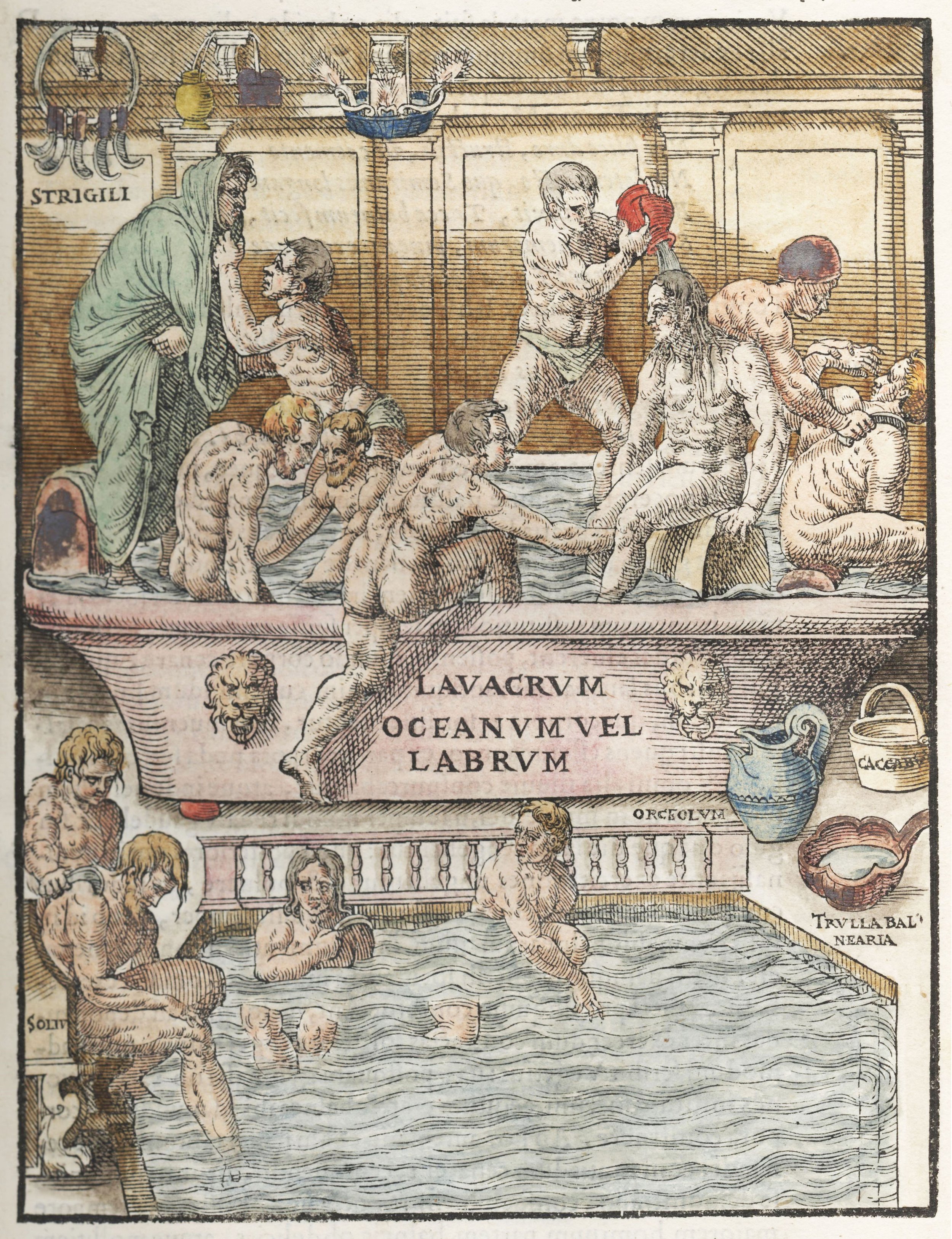
De Arte Gymnastica written by Girolamo Mercuriali (1530-1606) is one of the earliest books to discuss the therapeutic value of gymnastics and sports generally for the cure of disability. This image depicts the ancient use of a strigil. While primarily used for cleansing dirt, perspiration, and oil, the strigil's design suggests potential therapeutic applications as well.
How to Incorporate IASTM into Treatments?
IASTM is closely related to friction massage which has long been used for tendon pain and sports injuries. The depth of application varies from simple massage based techniques aiming at stimulating mechanoreceptors and improving range of motion to a complex soft-tissue treatment system encompassing the latest research on mechanotherapy. There are nuances to using these techniques, with the possibility of bruising and petechiae if treatments are not done with care. Not fully understanding the different aspects and approaches to IASTM is leading to a great deal of confusion about what exactly IASTM is, when it’s appropriate and how to use these techniques.
IASTM Protocols
IASTM techniques are often combined with other techniques, exercises, positions, or different types of stretching. First, the treatment area is lubricated with massage lotion, then short sweeping movements are applied using multi-directional assessment and treatment strokes. IASTM techniques are often combined with active and passive stretching. Around 2-3 minutes of light scraping per area should be enough to stimulate local mechanoreceptors.
How Does Instrument Assisted Soft Tissue Mobilization Work?
The responses to IASTM are multifactorial - physiological and psychological factors interplay in a complex manner. The biopsychosocial model provides a practical framework for investigating the complex interplay between IASTM and clinical outcomes. Based on the biopsychosocial model, investigation into mechanisms of action should extend beyond local tissue changes and include peripheral and central endogenous pain modulation. An observed favorable outcome may be explained by overlapping mechanism in the periphery, spinal cord, and brain including, but not limited to:
Specific Effects - IASTM can modulate neuro-immune processes correlated with disability and the experience of pain.
Affective Touch - Interpersonal touch and therapeutic stimulation of somatosensory nerves (C-tactile afferent) mediates the release of oxytocin. Which can result in reduced reactivity to stressors and improved mood/affect.
Mechanical Factors - Gentle stretching of neurovascular structures and muscles induces a molecular response that helps diminish edema and expedite clearance of noxious biochemical by-products of inflammation (cytokines, prostaglandins, and creatine kinase).
Neurological Factors - The skin, subcutaneous tissue and fascia are all embedded with mechanosensitive nerve fibers, so the application of IASTM invokes a number of neurophysiological responses. One being input from low-threshold Aβ fibers inhibits nociceptive processing and contributes to the activation of endogenous pain inhibitory mechanisms.
Contextual Effects - A positive therapeutic encounter is tied to clinical outcomes, the magnitude of a response may be influenced by mood, expectation, and conditioning.
Non-Specific Effects - The human body is a complex and adaptable network of overlapping systems, which may contribute to an individual's seemingly “spontaneous” natural improvement. Even without medical treatment the body has the ability for self healing, and people with pain often achieve symptom resolution.
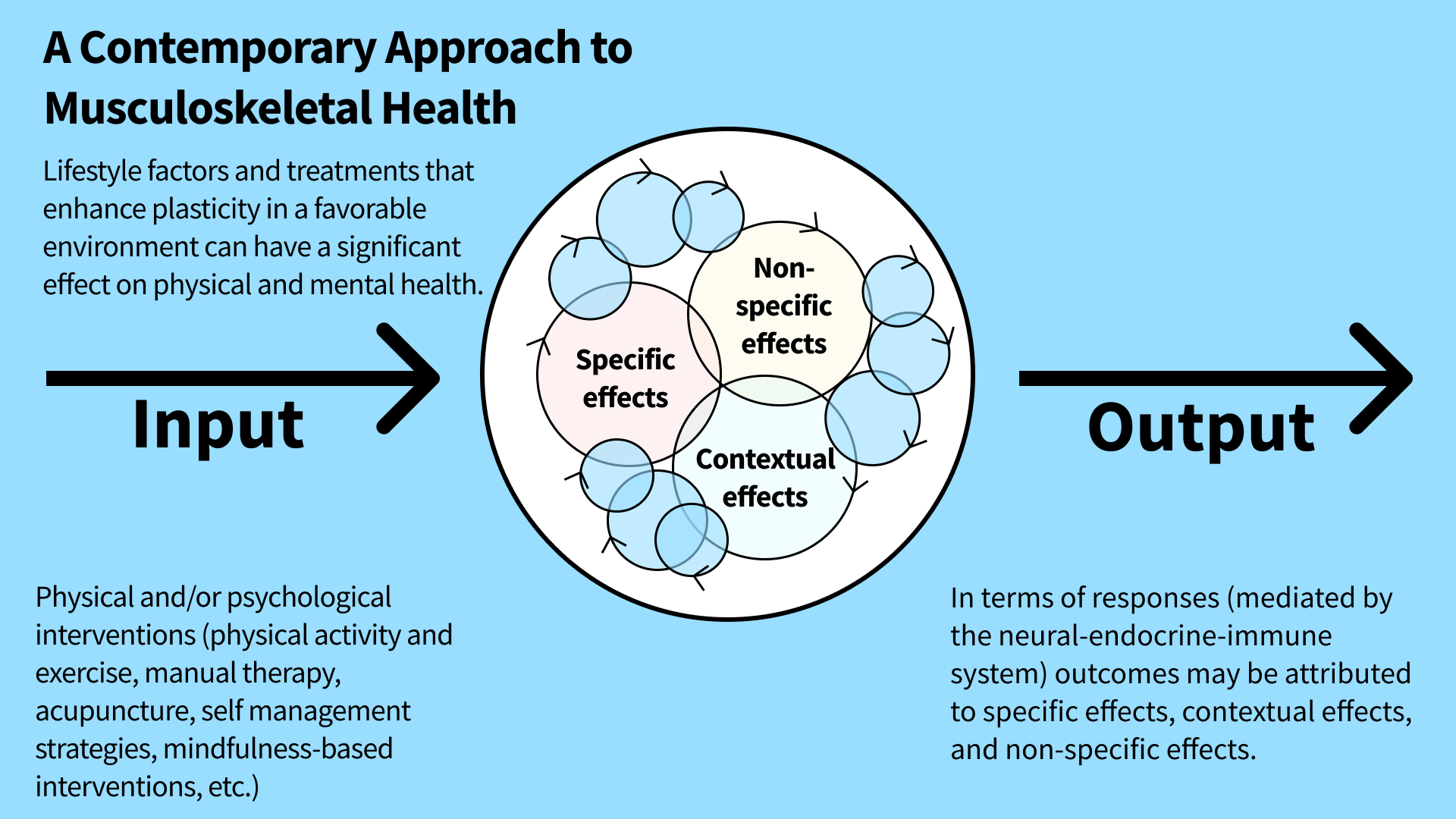
The effects of an intervention cannot be explained by a single mechanism. Instead, it acts through a complex interplay of interconnected responses. This aligns with the concept of a "whole-person approach," which emphasizes the interconnectedness of biological, psychological, and social factors that contribute to our overall health and well-being.
Is Instrument Assisted Soft Tissue Mobilization Safe?
IASTM is generally considered a safe therapy with minor side effects such as erythema, edema, and ecchymosis in a characteristic circular arrangement. IASTM encourages blood flow to the region (hyperemia), often the patient may feel warmer and/or hotter because of vasodilatation taking place, slight sweating may occur.
Key Takeaways
The responses to IASTM are complex and multifactorial - biopsychosocial factors interplay in a complex manner. The use of prophylactic IASTM may affect the development of fibrosis by mediating differential cytokine production. The next step for researchers is to look into what sort of dosage and duration would be needed to optimize the effects of this non-pharmacological approach.
References and Sources
With over 15 years of clinical experience and extensive study of massage therapy research, I'm committed to creating resources that foster the professional development of massage therapists globally. Whether you're a seasoned massage therapist or a curious newcomer, this massage therapy glossary is here to be your one-stop shop for understanding terms as it relates to massage therapy. Additionally this post highlights a substantial body of evidence supporting the use of massage therapy in alleviating pain and enhancing quality of life across a range of health issues.
This is a selection of sources I used to help formulate my ideas based on over-lapping concepts from massage therapy, physiotherapy, chiropractic, osteopathy, lifestyle medicine and traditional healing approaches.
Birch, S., Lee, M. S., Kim, T. H., & Alraek, T. (2022). On defining acupuncture and its techniques: A commentary on the problem of sham. Integrative medicine research, 11(2), 100834. https://doi.org/10.1016/j.imr.2022.100834
Cadellans-Arróniz, A., Llurda-Almuzara, L., Campos-Laredo, B., Cabanas-Valdés, R., Garcia-Sutil, A., & López-de-Celis, C. (2021). The effectiveness of diacutaneous fibrolysis on pain, range of motion and functionality in musculoskeletal disorders: A systematic review and meta-analysis. Clinical rehabilitation, 35(4), 481–491. https://doi.org/10.1177/0269215520968056
Chant, B. C., Madison, J., Coop, P., & Dieberg, G. (2017). Contact Tools in Japanese Acupuncture: An Ethnography of Acupuncture Practitioners in Japan. Journal of acupuncture and meridian studies, 10(5), 331–339. https://doi.org/10.1016/j.jams.2017.08.006
Cheatham, S. W., Baker, R. T., Loghmani, M. T., & Schleip, R. (2025). International Expert Consensus on Instrument-Assisted Soft-Tissue Mobilization Precautions and Contraindications: A Modified Delphi Study. Healthcare (Basel, Switzerland), 13(6), 642. https://doi.org/10.3390/healthcare13060642
Cheuy, V. A., Foran, J., Paxton, R. J., Bade, M. J., Zeni, J. A., & Stevens-Lapsley, J. E. (2017). Arthrofibrosis Associated With Total Knee Arthroplasty. The Journal of arthroplasty, 32(8), 2604–2611. https://doi.org/10.1016/j.arth.2017.02.005
Christie, W. S., Puhl, A. A., & Lucaciu, O. C. (2012). Cross-frictional therapy and stretching for the treatment of palmar adhesions due to Dupuytren's contracture: a prospective case study. Manual therapy, 17(5), 479–482. https://doi.org/10.1016/j.math.2011.11.001
Cook, C. E., Keter, D., Napadow, V., Barbe, M. F., Perle, S. M., Bent, J., Learman, K., & Reed, W. R. (2026). Manual Therapy Treatment Mechanisms are Complex: Challenges and a Call to Action. Complementary therapies in medicine, 103393. Advance online publication. https://doi.org/10.1016/j.ctim.2026.103393
Chu, E., Wong, A., Sim, P., & Krüger, F. (2021). Exploring scraping therapy: Contemporary views on an ancient healing - A review. Journal of family medicine and primary care, 10(8), 2757–2762. https://doi.org/10.4103/jfmpc.jfmpc_360_21
Chughtai, M., Mont, M. A., Cherian, C., Cherian, J. J., Elmallah, R. D., Naziri, Q., Harwin, S. F., & Bhave, A. (2016). A Novel, Nonoperative Treatment Demonstrates Success for Stiff Total Knee Arthroplasty after Failure of Conventional Therapy. The journal of knee surgery, 29(3), 188–193. https://doi.org/10.1055/s-0035-1569482
Liu, Y., Yu, Y., Liu, P., Yan, J., & Cheng, Z. (2026). Instrument-assisted soft tissue mobilization for musculoskeletal disorders: a systematic review and meta-analysis of its effects on pain, function, and range of motion. European journal of medical research, 31(1), 289. https://doi.org/10.1186/s40001-025-03752-4
Lucha-López, M. O., Hidalgo-García, C., Monti-Ballano, S., Márquez-Gonzalvo, S., Krauss, J., Tricás-Vidal, H. J., & Tricás-Moreno, J. M. (2023). Diacutaneous Fibrolysis: An Update on Research into Musculoskeletal and Neural Clinical Entities. Biomedicines, 11(12), 3122. https://doi.org/10.3390/biomedicines11123122
Nazari, G., Bobos, P., Lu, S. Z., Reischl, S., Sharma, S., Le, C. Y., Vader, K., Held, N., & MacDermid, J. C. (2023). Effectiveness of instrument-assisted soft tissue mobilization for the management of upper body, lower body, and spinal conditions. An updated systematic review with meta-analyses. Disability and rehabilitation, 45(10), 1608–1618. https://doi.org/10.1080/09638288.2022.2070288
Powell, J. K., McDevitt, A., & Cook, C. (2026). Many Paths to Recovery: The Case for Treatment Pluralism. The Journal of orthopaedic and sports physical therapy, 56(6), 331–333. https://doi.org/10.2519/jospt.2026.13992
Tang, S., Sheng, L., Wei, X., Liang, M., Xia, J., & Chen, J. (2025). The effectiveness of instrument-assisted soft tissue mobilization on pain and function in patients with musculoskeletal disorders: a systematic review and meta-analysis. BMC musculoskeletal disorders, 26(1), 257. https://doi.org/10.1186/s12891-025-08492-4