What you need to know to understand risk estimates

What you need to know to understand risk estimates

"Interpreting health (or any other) risk estimates reported in the media is not straightforward. Even health professionals can get tripped up trying to make sense of these statistics, so it is no wonder the public can easily be confused or misled."

Read More

How we can change our body shape with exercise

How we can change our body shape with exercise

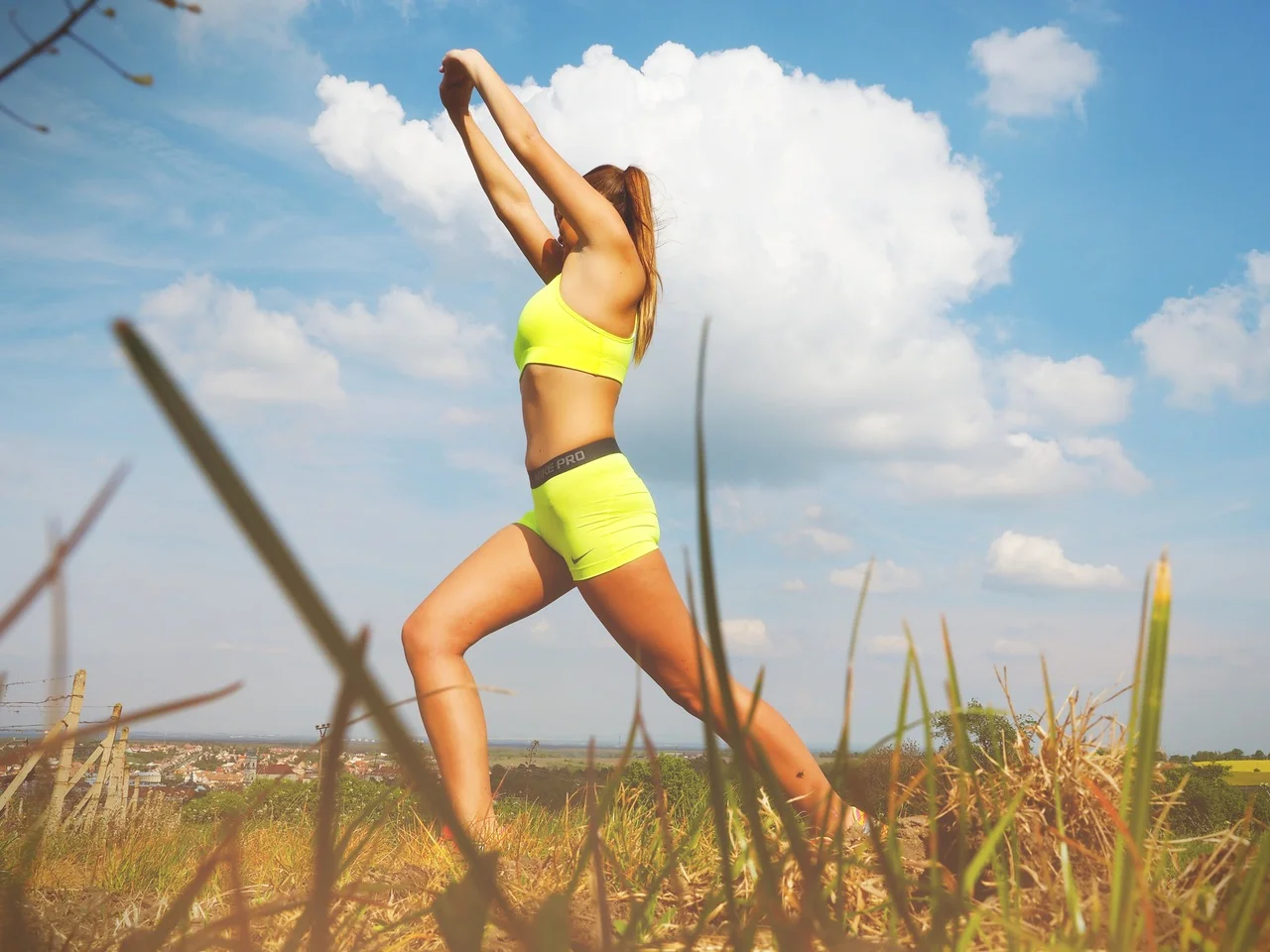
"Once we reach adulthood, our bone structure and proportions are largely fixed. Essentially, the length of your collar bones versus the size of your pelvis, and the length of your body compared to the length of your legs are big factors in determining proportions and aesthetic beauty."

Read More

2016 in Review - Ten articles about low back pain

2016 in Review - Ten articles about low back pain

With the many documented biological and psychosocial benefits to a massage therapy, we are uniquely suited to help those who suffer from low back pain. One speed bump still in the way is the lack of systematic reviews and randomized control trials of massage therapy. There has been some movement it the last couple of years, but because because of the lack of a research culture in the profession these things take time.

To help massage therapists understand the issue of low back pain here we provide a break down a list of 10 articles on low back pain, this list is representative, not exhaustive. 

Read More

Do you need to stretch before and after exercise?

Do you need to stretch before and after exercise?

"But do we really need to stretch when we exercise? And does stretching increase flexibility, reduce the risk of injury, reduce soreness and enhance sporting performance? The answer is neither yes nor no."

Read More

Could ancient textbooks be the source of the next medical breakthrough?

Could ancient textbooks be the source of the next medical breakthrough?

"The discovery that won the latest Nobel Prize for Medicine wouldn’t have been much of a revelation to doctors in ancient China. Pharmaceutical chemist Tu Youyou established that the compound artemisinin could treat malaria in the early 1970s. But the plant the chemical comes from, Artemisia annua L. (sweet wormwood), was used to treat fevers perhaps caused by malaria as early as the third or fourth century CE."

Read More